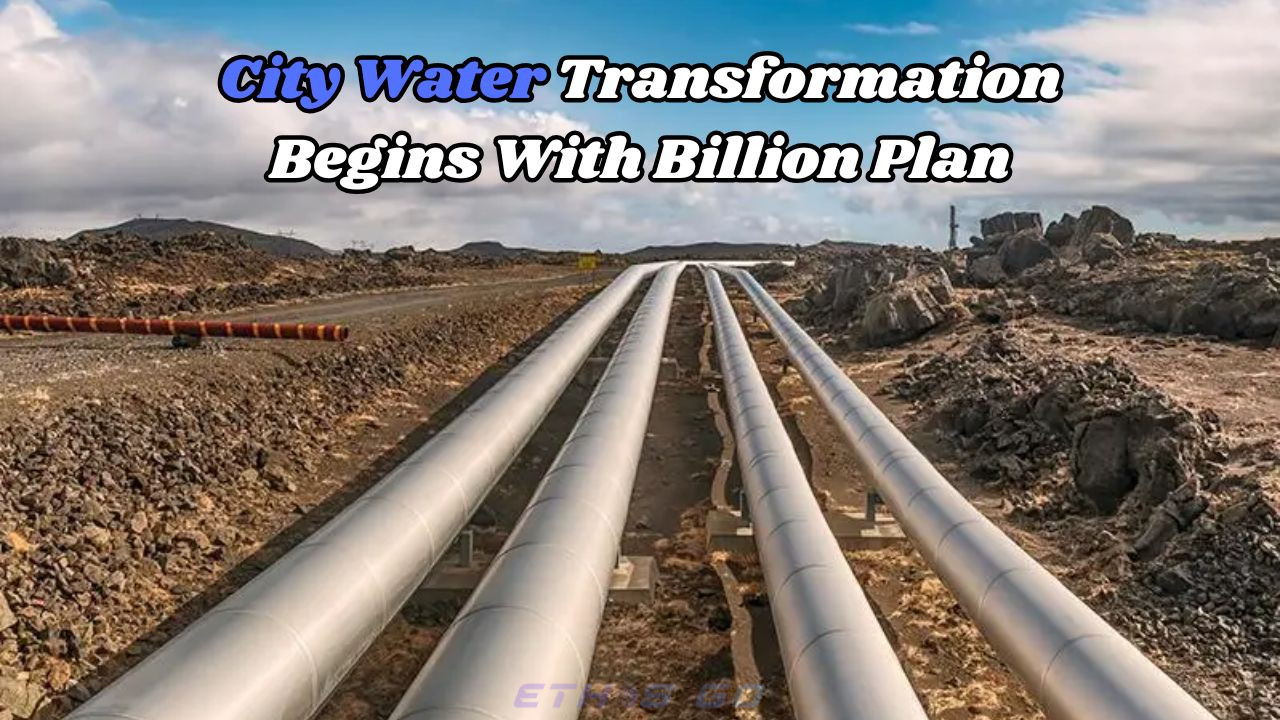
South Africa’s R23 Billion Solution to Water Crisis: In a bold move to address the pressing water shortages impacting millions across the nation, South Africa is embarking on an ambitious R23 billion infrastructure overhaul. This initiative aims to revamp the country’s aging water management systems, ensuring a more reliable and equitable distribution of water resources. As water scarcity becomes an increasingly urgent issue due to climate change and population growth, this investment is expected to bolster the country’s economic resilience and enhance the quality of life for its citizens. By prioritizing sustainable solutions and modern technology, South Africa’s government is poised to transform the water landscape, offering a beacon of hope to communities that have long struggled with inadequate water supply.
Infrastructure Improvements in South Africa’s Water Strategy
The R23 billion investment is earmarked for comprehensive upgrades across South Africa’s water infrastructure. This will involve not just repairing and replacing outdated pipes and treatment facilities but also introducing cutting-edge water conservation technologies. The plan includes expanding desalination plants, which convert seawater into drinking water, and investing in water recycling and reuse systems. By implementing these technologies, South Africa aims to reduce its reliance on traditional water sources, which are becoming increasingly unreliable due to droughts and overuse.
- Expansion of desalination plants
- Investment in water recycling
- Modernization of treatment facilities
- Installation of smart water meters
- Improvement of pipe infrastructure
- Enhancement of stormwater capture systems
- Promotion of water-saving technologies
Economic and Social Benefits of the Water Overhaul
This significant investment in water infrastructure is expected to yield substantial economic and social benefits. Improved water reliability can stimulate economic growth by attracting businesses and fostering agricultural productivity. Moreover, access to clean water is a fundamental human right that directly impacts public health and education. By ensuring that communities across South Africa have access to safe and sufficient water, the government is not only addressing immediate needs but also investing in the country’s long-term prosperity.
- Boost in agricultural productivity
- Enhanced public health outcomes
- Increased business investments
- Job creation in water management sectors
- Improved educational opportunities
- Reduction in waterborne diseases
- Strengthened community resilience
Technological Innovations Driving Change
At the heart of South Africa’s water strategy are technological innovations designed to optimize water usage and management. Smart water meters are set to be widely deployed, allowing for real-time monitoring of water consumption and enabling more efficient billing and leak detection. Additionally, the integration of artificial intelligence in water management systems will facilitate predictive maintenance, ensuring that potential issues are addressed before they escalate into costly repairs.
 Check Eligibility and Claim Refund Instructions – ABSA Bank to Refund Hidden Charges by July
| Technology | Function | Impact |
|---|---|---|
| Smart Water Meters | Real-time monitoring | Efficient usage and billing |
| Desalination | Seawater conversion | Increased water supply |
| AI Systems | Predictive maintenance | Reduced outages |
| Recycling Systems | Water reuse | Resource conservation |
| Stormwater Capture | Rainwater collection | Augmented supply |
| Leak Detection | Advanced sensors | Loss prevention |
| Water Purification | Enhanced treatment | Quality assurance |
| Monitoring Software | Data analysis | Informed decision-making |
Challenges Facing the Water Infrastructure Overhaul
Despite the optimistic outlook, several challenges could impede the successful implementation of South Africa’s water infrastructure overhaul. Funding and budget constraints remain significant hurdles, with the R23 billion investment requiring careful allocation to ensure maximum impact. Additionally, the integration of new technologies into existing systems presents logistical challenges, necessitating skilled workforce training and adaptation. Another concern is the potential for political and bureaucratic delays that could slow the project timeline and increase costs.

- Funding limitations
- Technological integration issues
- Skilled workforce requirements
- Political and bureaucratic delays
- Environmental impact considerations
- Community engagement needs
Community Engagement and Awareness
To ensure the success of the water infrastructure overhaul, community engagement and public awareness campaigns are vital. Educating the public on the importance of water conservation and the benefits of the new systems will help foster cooperation and support. Local communities are encouraged to participate in water-saving initiatives, contributing to a collective effort to preserve South Africa’s precious water resources.
FAQ Section
- What is the main goal of the R23 billion water infrastructure overhaul? The primary objective is to improve water reliability and distribution across South Africa, ensuring access to clean water for all communities.
- How will the overhaul benefit South Africa’s economy? By enhancing water reliability, the initiative is expected to boost agricultural productivity, attract business investments, and create jobs.
- What technologies are being implemented in the overhaul? The plan includes smart water meters, desalination plants, AI systems, and advanced recycling and leak detection technologies.
- What challenges might the overhaul face? Potential challenges include funding constraints, technological integration issues, and political or bureaucratic delays.
- How can communities contribute to the success of the overhaul? Communities can engage in water-saving initiatives and participate in awareness campaigns to support the project.