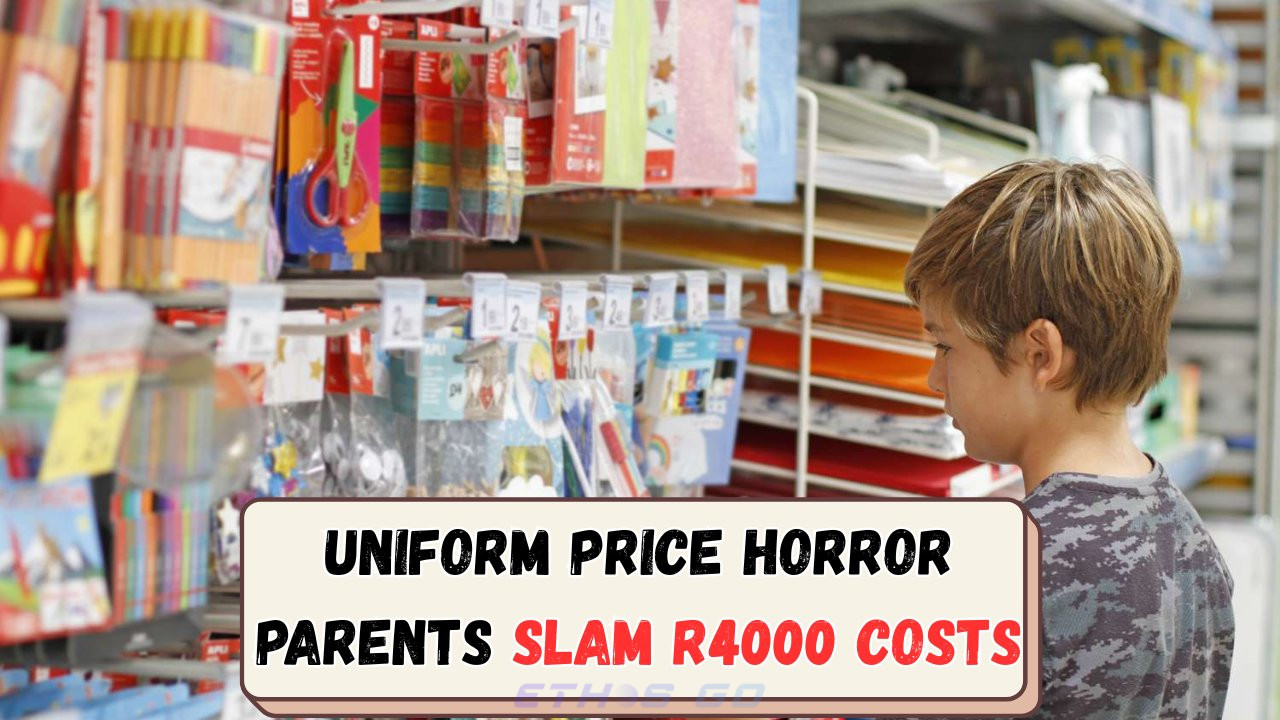
Back-to-School Costs Skyrocket: South African Uniforms Exceed R4,000!: As the new school year approaches, parents across South Africa are feeling the financial pinch, with back-to-school costs reaching unprecedented levels. The price of school uniforms alone has surged past R4,000, placing a significant strain on household budgets. This dramatic increase is attributed to a combination of factors, including inflation, rising material costs, and increased demand. For many families, especially those with multiple children, affording basic educational necessities has become a daunting challenge. The escalating expenses have sparked discussions among parents, educators, and policymakers about the sustainability of current pricing models and the need for more affordable alternatives.
With the cost of living steadily rising, the burden of school expenses is felt even more acutely. As parents rush to prepare their children for the upcoming academic year, they are left grappling with the reality of how to balance these costs with other essential household expenses. The situation calls for innovative solutions and support systems to ensure that quality education remains accessible to all South African children.
Understanding the Rising Costs of School Uniforms
The increase in school uniform costs has been attributed to several key factors. Primarily, the rising cost of raw materials such as cotton and polyester has played a significant role. Additionally, the economic repercussions of the COVID-19 pandemic have disrupted supply chains, leading to higher manufacturing costs. Import tariffs and the depreciation of the South African Rand have further compounded these issues, resulting in increased retail prices for consumers.
- Material costs: Fluctuations in global cotton prices directly affect uniform costs.
- Supply chain disruptions: Pandemic-induced delays have increased manufacturing expenses.
- Currency depreciation: A weaker Rand makes imported goods more expensive.
Impact on South African Families
The steep rise in uniform prices has had a profound impact on South African families, many of whom are already grappling with economic hardships. For low-income households, the cost of uniforms can consume a significant portion of their monthly income, forcing difficult choices between education and other basic needs. This financial strain can result in children attending school without proper uniforms, affecting their sense of belonging and confidence.
 Check Eligibility and Claim Refund Instructions – ABSA Bank to Refund Hidden Charges by July
| Household Income | Average Uniform Cost | Percentage of Income |
|---|---|---|
| Low-income | R4,000+ | 20%+ |
| Middle-income | R4,000+ | 10-15% |
| High-income | R4,000+ | 5% or less |
Exploring Affordable Alternatives
In response to rising costs, some schools and communities are exploring alternatives to traditional school uniforms. These alternatives include implementing second-hand uniform sales, uniform exchanges, and subsidies for low-income families. Additionally, some schools are considering relaxing uniform policies to allow for more affordable clothing options, which can alleviate financial pressure on families.
- Second-hand sales: Schools organize events to sell gently used uniforms.
- Uniform exchanges: Families can swap uniforms as children outgrow them.
- Subsidies: Government or NGO support to assist low-income families.
The Role of Government and Policy
Government intervention could play a crucial role in addressing the high costs of school uniforms. By subsidizing uniform production or providing financial assistance to families, the state can ensure that all children have access to necessary school attire. Policy changes could also involve regulating uniform prices or encouraging schools to adopt more flexible dress codes.
| Policy Option | Potential Impact |
|---|---|
| Subsidies | Reduces financial burden on families |
| Price regulation | Ensures uniform affordability |
| Flexible dress codes | Allows for cost-effective alternatives |
Community Initiatives to Support Families
Community-driven initiatives have emerged as a vital support system for families facing back-to-school expenses. Local NGOs and community centers have organized donation drives, collecting uniforms and other school supplies to distribute to families in need. These efforts not only alleviate financial stress but also foster a sense of solidarity and support within communities.
- Donation drives: Collect and distribute uniforms and supplies.
- Community partnerships: Collaborate with local businesses for support.
- Awareness campaigns: Educate families about available resources.
Practical Tips for Families to Manage Costs
For families navigating the rising costs of back-to-school expenses, practical strategies can help manage the financial burden. Budgeting and planning ahead are crucial, allowing families to spread out expenses over several months. Additionally, families can take advantage of sales and discounts, seek out second-hand options, and participate in community exchanges to reduce costs.
- Start budgeting early to spread out expenses.
- Look for sales and discounts in advance.
- Utilize second-hand uniform shops.
- Participate in community exchange programs.
FAQ Section
Why are school uniforms so expensive in South Africa?
Multiple factors contribute, including rising material costs, supply chain disruptions, and economic conditions affecting production and importation.
What can parents do to save on school uniforms?
Parents can explore second-hand options, participate in uniform exchanges, and take advantage of sales to mitigate costs.
Is the government doing anything to help with uniform costs?
Some government initiatives are in place, but more comprehensive support and policy changes could further alleviate costs.
Are there alternatives to traditional school uniforms?
Yes, some schools are considering more flexible dress codes or allowing less expensive clothing options to reduce financial pressure.