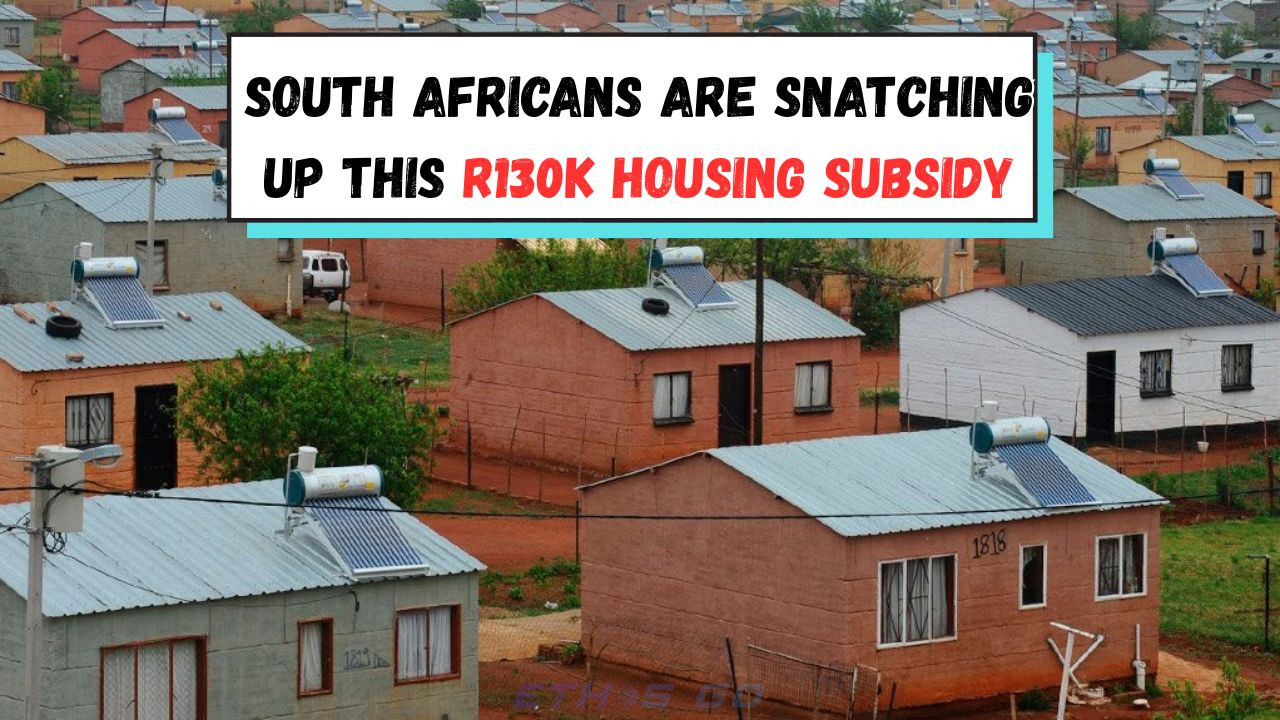
FLISP Subsidy 2025 South Africa: The anticipated Financial Linked Individual Subsidy Programme (FLISP) for 2025 is set to transform the landscape for first-time homebuyers in South Africa. As part of the government’s commitment to improving housing accessibility, the FLISP subsidy offers a significant financial boost for those entering the property market for the first time. With the rising costs of housing in urban centers such as Johannesburg, Cape Town, and Durban, this subsidy comes as a welcome relief, especially for those earning a modest income. By bridging the gap between what individuals can afford and the actual cost of purchasing a home, the FLISP subsidy is a game-changer for many aspiring homeowners. The programme not only offers financial assistance but also empowers individuals with the opportunity to invest in their future through property ownership.
Understanding the FLISP Subsidy for First-Time Buyers
The FLISP subsidy 2025 is designed to assist first-time homebuyers in making their dream of homeownership a reality. Aimed at individuals earning between R3,501 and R22,000 per month, the subsidy provides a sliding scale of benefits based on income brackets. The lower your income, the higher the subsidy you may qualify for, making it an equitable solution for many South Africans. To qualify, applicants must have an approved home loan from a recognized financial institution. The subsidy can be used towards reducing the initial amount of the home loan, covering transfer duties, or even as a deposit. This flexibility ensures that the subsidy can be tailored to meet the specific needs of each applicant, making the path to homeownership more accessible and less daunting.
- Available to first-time homebuyers only
- Income bracket: R3,501 to R22,000 per month
- Must have an approved home loan
- Can be used as a deposit, for transfer duties, or reducing loan amount
- Sliding scale based on income
FLISP Subsidy:
 Check Eligibility and Claim Refund Instructions – ABSA Bank to Refund Hidden Charges by July
The FLISP subsidy is not only a financial aid but also an incentive for responsible financial planning. By requiring applicants to have an approved home loan, the programme ensures that beneficiaries are financially ready to take on the responsibilities of homeownership. This approach encourages financial literacy and stability, as applicants must demonstrate their ability to manage a home loan effectively.
| Income Bracket (R) | Subsidy Amount (R) |
|---|---|
| 3,501 – 5,000 | 121,626 |
| 5,001 – 7,000 | 110,947 |
| 7,001 – 9,000 | 100,268 |
| 9,001 – 11,000 | 89,589 |
| 11,001 – 13,000 | 78,910 |
| 13,001 – 15,000 | 68,231 |
| 15,001 – 17,000 | 57,552 |
Benefits of the 2025 FLISP Subsidy for First-Time Homebuyers
The FLISP subsidy in 2025 offers distinct advantages for first-time homebuyers, particularly against the backdrop of an evolving housing market. One of the significant benefits is the reduction in financial barriers, making it easier for individuals to enter the property market. This subsidy not only facilitates the purchasing process but also provides a sense of financial security. Additionally, it supports economic growth by stimulating the property sector, which can have a positive ripple effect on related industries such as construction and finance.
- Reduces financial barriers for buyers
- Stimulates economic growth
- Encourages financial planning
- Promotes property ownership
- Contributes to housing market stability
- Provides financial security
Steps to Apply for the FLISP Subsidy 2025
The application process for the 2025 FLISP subsidy is straightforward, ensuring that eligible South Africans can access the benefits with ease. Here are the steps to follow:
- Determine Eligibility: Ensure you meet the necessary criteria, including income bracket and first-time buyer status.
- Obtain a Home Loan: Secure an approved home loan from a recognized financial institution.
- Complete the FLISP Application: Submit the required documents, including your home loan approval, to the National Housing Finance Corporation.
- Receive Approval: Upon approval, the subsidy amount will be allocated according to your income bracket.
- Utilize the Subsidy: Use the funds for a deposit, transfer costs, or to reduce your home loan balance.
Challenges and Considerations for FLISP Applicants in 2025
While the FLISP subsidy offers substantial benefits, applicants should be aware of potential challenges. One such challenge is the need for an approved home loan, which requires a good credit history and financial planning. Additionally, the competitive nature of the housing market means that properties within the affordable price range may be limited, necessitating prompt action once approved. Finally, understanding the terms and conditions of the subsidy is crucial to maximize its benefits and ensure compliance with all requirements.
- Need for approved home loan
- Competitive housing market
- Limited affordable properties
- Understanding subsidy terms
Impact of the FLISP Subsidy on the South African Housing Market
The FLISP subsidy is anticipated to have a profound impact on the South African housing market by increasing the number of first-time buyers. This influx is expected to drive demand for affordable housing, prompting developers to cater to this segment more actively. Moreover, by facilitating homeownership, the subsidy contributes to community stability and economic empowerment. As more South Africans secure their homes, neighborhoods are likely to experience enhanced vitality and growth.
| Year | Subsidy Recipients |
|---|---|
| 2023 | 15,000 |
| 2024 | 18,500 |
| 2025 | 22,000 |
| 2026 | 25,500 |
| 2027 | 29,000 |
| 2028 | 33,000 |
| 2029 | 37,500 |
| 2030 | 42,000 |
Key Considerations for First-Time Buyers Utilizing the FLISP Subsidy
For those considering the FLISP subsidy, it’s essential to weigh the long-term implications of homeownership. Budgeting for ongoing expenses such as maintenance, rates, and taxes is crucial. Additionally, buyers should assess the potential for property appreciation and community development. By conducting thorough research and planning, first-time buyers can leverage the subsidy to its fullest potential, ensuring a sound investment in their future.

- Budget for ongoing expenses
- Assess property appreciation
- Consider community development
- Conduct thorough research
FAQ: Understanding the FLISP Subsidy 2025
What is the purpose of the FLISP subsidy?
- The FLISP subsidy aims to assist first-time buyers in bridging the gap between the cost of a home and what they can afford, making homeownership more accessible.
How does the subsidy amount vary?
The subsidy amount is determined on a sliding scale based on the applicant’s income, with lower earners receiving higher subsidies to ensure equitable access to housing.
What are the main eligibility criteria for the FLISP subsidy?
Applicants must be first-time buyers with an approved home loan, earning between R3,501 and R22,000 per month, and the subsidy is tailored to their income bracket.
Can the FLISP subsidy be used for existing home loans?
No, the subsidy is intended for new home purchases and cannot be applied to existing loans.
How do I apply for the FLISP subsidy?
Applicants need to secure a home loan, complete the FLISP application with all required documents, and submit them to the National Housing Finance Corporation for processing.