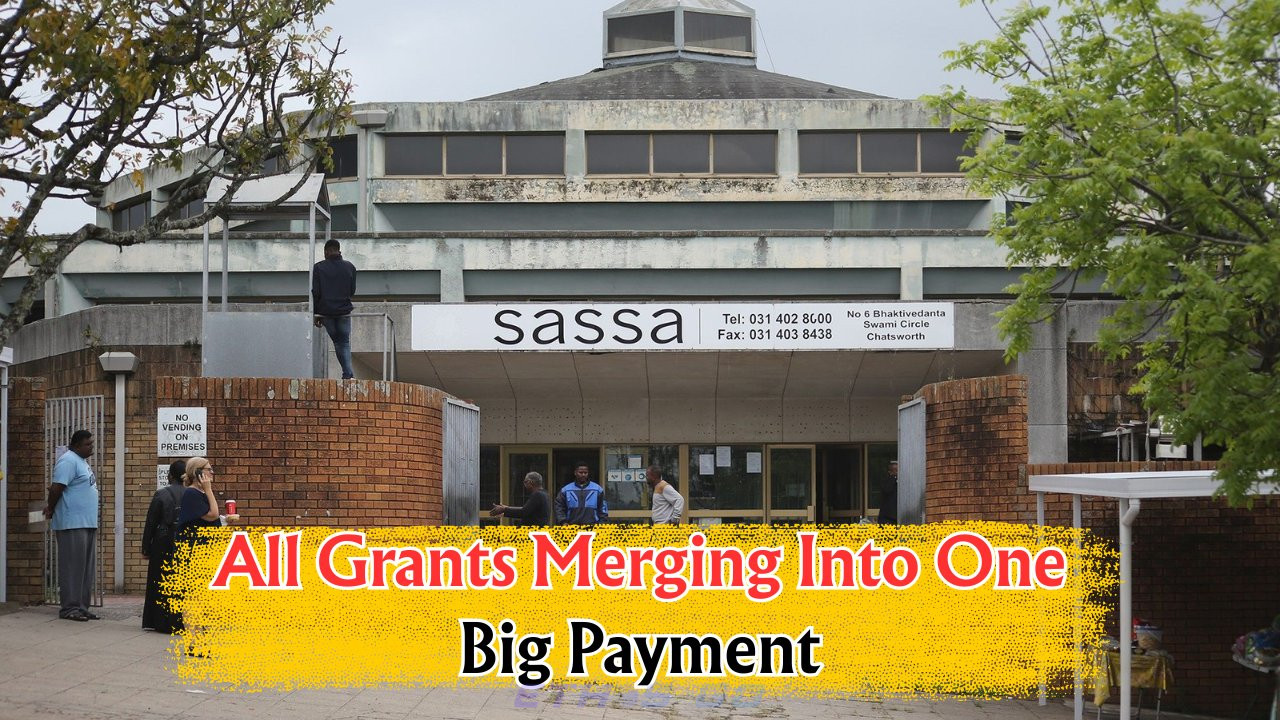
Universal Basic Income in South Africa 2026: As the conversation around social welfare continues to evolve, the concept of a Universal Basic Income (UBI) is gaining traction globally. In South Africa, the government is exploring the potential of a Grant Unification Scheme, set to be implemented by 2026. This initiative aims to streamline existing social grants into a single, universally-accessible benefit, offering consistent financial support to all citizens. With the country’s economic disparities and high unemployment rates, the introduction of a UBI could mark a significant milestone in the national effort to combat poverty and inequality. The scheme promises to provide a safety net that ensures every South African can meet their basic needs, potentially transforming the socio-economic landscape of the nation.
Understanding the Grant Unification Scheme
The proposed Grant Unification Scheme is an ambitious project designed to consolidate various social assistance programs into a single, more efficient system. Currently, South Africa maintains several grants, including child support, disability, and old-age pensions, each with its own set of eligibility criteria and application processes. By unifying these grants, the government aims to simplify the process, reduce administrative overheads, and ensure that all citizens have access to consistent financial aid. This scheme is expected to alleviate the complexities faced by individuals when applying for different forms of assistance, making the system more accessible and equitable.
- Streamlined application process
- Reduced administrative costs
- Universal access to financial aid
- Enhanced economic security for citizens
- Potential to reduce poverty and inequality
Potential Impacts of Universal Basic Income
Introducing a Universal Basic Income through the Grant Unification Scheme could have far-reaching effects on South Africa’s economy and society. Firstly, it could provide a stable source of income for unemployed individuals, reducing the pressure to find immediate work and allowing them to pursue education or skill development. Secondly, by ensuring a basic standard of living for all, UBI could reduce crime rates and improve public health outcomes by alleviating the stress associated with financial insecurity. Furthermore, the economic stimulus effect of increased consumer spending could drive business growth and job creation.
- Increased disposable income
- Reduction in poverty-related stress
- Improved public health outcomes
- Potential increase in consumer spending
- Support for education and skill development
Challenges and Criticisms of the Scheme
While the idea of a Universal Basic Income is appealing, it is not without its challenges and criticisms. One major concern is the financial viability of the scheme. Funding a UBI would require significant government expenditure, raising questions about the sustainability of such a program. Additionally, critics argue that a UBI might discourage individuals from seeking employment, potentially leading to a decrease in workforce participation. The scheme also faces logistical hurdles, such as ensuring accurate distribution and preventing fraud.
 Check Eligibility and Claim Refund Instructions – ABSA Bank to Refund Hidden Charges by July
| Challenge | Impact | Solution |
|---|---|---|
| Financial sustainability | Increased government expenditure | Explore diverse funding sources |
| Workforce participation | Potential decrease | Incentivize skill development |
| Logistical issues | Distribution accuracy | Implement robust verification systems |
Learning from Global Examples
Countries around the world have experimented with Universal Basic Income or similar schemes, providing valuable lessons for South Africa. Notably, Finland conducted a two-year trial of UBI, which showed improved mental well-being among recipients, though it didn’t significantly impact employment levels. Similarly, Canada and the United States have experimented with pilot programs aimed at understanding the broader implications of UBI on society. These international experiences highlight the importance of adapting UBI models to fit the unique socio-economic contexts of each country.
- Finland’s UBI trial
- Canada’s basic income experiments
- U.S. pilot programs
- Importance of contextual adaptation
- Focus on mental well-being and economic impacts
Economic Implications for South Africa
Implementing a Universal Basic Income in South Africa could have both positive and negative economic implications. On the positive side, a UBI could stimulate economic growth by increasing consumer spending, thus driving demand for goods and services. It could also lead to greater economic equality by providing a financial safety net for the most vulnerable populations. However, there are concerns that the increased tax burden necessary to fund such a scheme could stifle business development and discourage investment. Balancing these potential outcomes will be crucial for the successful implementation of the Grant Unification Scheme.
| Positive Implications | Negative Implications |
|---|---|
| Increased consumer spending | Higher tax burden |
| Economic equality | Potential stifling of business growth |
| Financial safety net | Discouraged investment |
FAQs on Universal Basic Income in South Africa
What is the Grant Unification Scheme?
The Grant Unification Scheme is a proposed initiative to consolidate various social grants into a single, universal payment system in South Africa.
How will Universal Basic Income be funded?
Funding UBI will require identifying diverse revenue streams, such as reallocating existing budgets and exploring new taxation methods.
Will UBI discourage people from working?
While some fear UBI might reduce the incentive to work, it could also encourage skill development and entrepreneurship.
What are the expected benefits of UBI in South Africa?
UBI could reduce poverty, improve public health, and stimulate economic growth by increasing consumer spending.
When will the Grant Unification Scheme be implemented?
The scheme is set to be implemented by 2026, pending successful planning and funding arrangements.