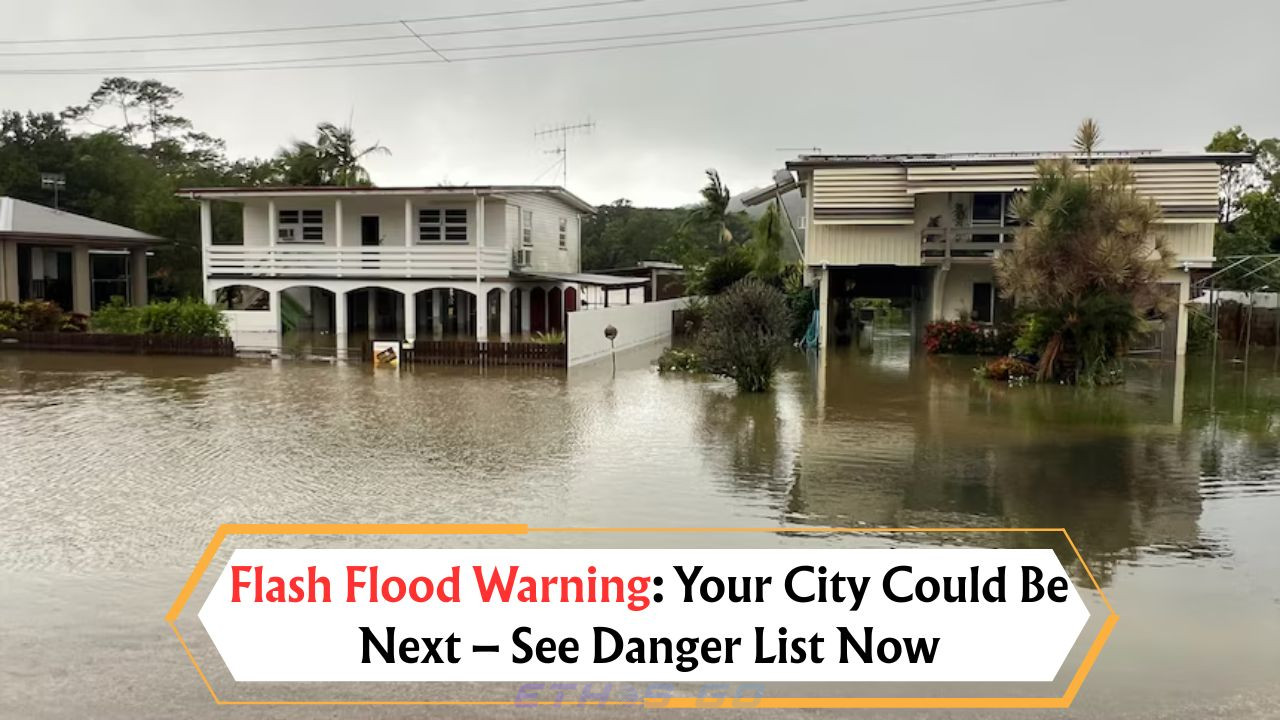
SAWS and Disaster Management flood zone list: The South African Weather Service (SAWS) in collaboration with Disaster Management has released a new comprehensive flood zone list for 2023. This initiative is aimed at preparing the nation for potential flooding scenarios as the rainy season approaches. With South Africa’s diverse climate, certain areas are more prone to heavy rainfall and subsequent flooding, making this list a vital tool for local municipalities and residents. The detailed flood zone list provides insights into regions that require heightened vigilance and preparedness, emphasizing the importance of proactive measures to safeguard lives and property.
Understanding the SAWS Flood Zone List for 2023
The SAWS flood zone list is a meticulously curated document that identifies areas across South Africa that are most susceptible to flooding. It categorizes regions based on historical data, geographical features, and climate patterns. This list serves as an essential reference for local authorities, helping them allocate resources effectively during emergencies. Not only does it assist in risk assessment, but it also guides infrastructure development to mitigate flood impacts. Residents in these regions are encouraged to stay informed and prepared for any advisories issued by SAWS and local disaster management teams. Understanding the potential risks can significantly reduce the adverse effects of flooding.
- Historical flood data analysis
- Geographical and topographical considerations
- Weather pattern forecasts
- Infrastructure resilience assessments
- Community awareness and education
Key Areas in South Africa’s Flood Warning Zones
Several regions in South Africa are identified as high-risk zones in the flood warning list. These areas have a history of flooding and require constant monitoring. The coastal provinces such as KwaZulu-Natal and the Eastern Cape are particularly vulnerable due to their proximity to the ocean and frequent cyclonic activities. Inland regions like the Free State and Gauteng are also on alert due to their riverine landscapes. The list emphasizes the need for tailored disaster management plans in these areas to ensure swift response and recovery. Local communities are urged to participate in awareness programs and emergency drills to enhance their readiness.
| Province | City | High-Risk Areas |
|---|---|---|
| KwaZulu-Natal | Durban | Umlazi, Phoenix |
| Eastern Cape | East London | Mdantsane, Duncan Village |
| Free State | Bloemfontein | Pellissier, Heidedal |
| Gauteng | Johannesburg | Soweto, Alexandra |
Disaster Management Strategies for Flood Zones
Effective disaster management strategies are crucial for regions identified in the flood warning zone list. These strategies involve coordinated efforts between government agencies, local authorities, and communities. Key components include early warning systems that leverage technology to provide real-time updates, as well as evacuation plans that prioritize vulnerable populations. Public infrastructure should be designed with flood resilience in mind, incorporating sustainable urban drainage systems and flood barriers. Education and awareness campaigns play a vital role in equipping residents with knowledge on how to respond during flood emergencies, ultimately reducing panic and confusion.
 Check Eligibility and Claim Refund Instructions – ABSA Bank to Refund Hidden Charges by July
- Installation of early warning systems
- Development of evacuation and response plans
- Implementation of flood-resilient infrastructure
- Community education and preparedness programs
Technological Innovations in Flood Management
Technological advancements have revolutionized flood management in South Africa. Innovations such as satellite imaging and predictive analytics are now integral to forecasting weather patterns and identifying at-risk areas. These tools allow for precise mapping of flood-prone zones, enabling authorities to allocate resources more efficiently. Additionally, mobile applications provide real-time alerts to residents, ensuring they receive timely information on weather changes and necessary actions. By embracing technology, South Africa is better equipped to handle the challenges posed by flooding, ultimately safeguarding communities and minimizing economic losses.
- Use of satellite imaging for real-time data
- Predictive analytics for accurate forecasting
- Mobile apps for timely alerts and updates
- Integration of IoT devices for monitoring
Community Involvement in Flood Preparedness
Community involvement is a cornerstone of effective flood preparedness. Local residents are encouraged to participate in disaster response drills and workshops organized by municipalities and NGOs. These initiatives aim to build a culture of readiness, ensuring that everyone knows their role in an emergency. Community-based organizations play a pivotal role in disseminating information and mobilizing resources during crises. By fostering a spirit of cooperation and mutual aid, communities can enhance their resilience against flooding and other natural disasters.
| Initiative | Description |
|---|---|
| Disaster Drills | Simulated emergency response exercises |
| Workshops | Educational sessions on flood safety |
| Community Networks | Local support and information sharing |
| Resource Mobilization | Coordinated distribution of aid |
Environmental Considerations in Flood Planning
Environmental factors are crucial in flood planning. Sustainable practices such as reforestation and wetland conservation help absorb excess rainfall and reduce the risk of flooding. Urban planners and environmentalists are working together to create green spaces that act as natural buffers. Additionally, preserving natural watercourses and implementing rainwater harvesting techniques can alleviate pressure on drainage systems. By integrating environmental considerations into flood management strategies, South Africa can achieve a balance between development and ecological preservation.
- Reforestation projects
- Wetland conservation efforts
- Green infrastructure development
- Rainwater harvesting systems
Economic Impact of Flooding in South Africa
Flooding has a significant economic impact on South Africa, affecting various sectors including agriculture, tourism, and infrastructure. The cost of damage repair and recovery can strain local economies, leading to job losses and reduced productivity. Insurance claims often surge post-flooding, impacting both individuals and businesses. To mitigate these effects, it is essential to invest in flood prevention and risk management strategies. Ensuring that communities are adequately insured and that there is swift governmental support for recovery can alleviate the financial burden of floods.
- Damage to infrastructure
- Disruption in agriculture and food supply
- Decreased tourism revenue
- Increased insurance claims
FAQ Section
What is the purpose of the SAWS flood zone list?
The SAWS flood zone list aims to identify areas prone to flooding, helping authorities and residents prepare for potential risks.
How are flood-prone areas determined?
Flood-prone areas are determined based on historical data, climate patterns, and geographical features.
What should residents in high-risk zones do?
Residents in high-risk zones should stay informed through local alerts, participate in preparedness programs, and have an evacuation plan in place.
How can technology aid in flood management?
Technology aids in flood management through predictive analytics, real-time alerts, and improved data collection for better decision-making.
Why is community involvement crucial in flood preparedness?
Community involvement ensures that everyone knows their role during emergencies, enhancing collective readiness and response.