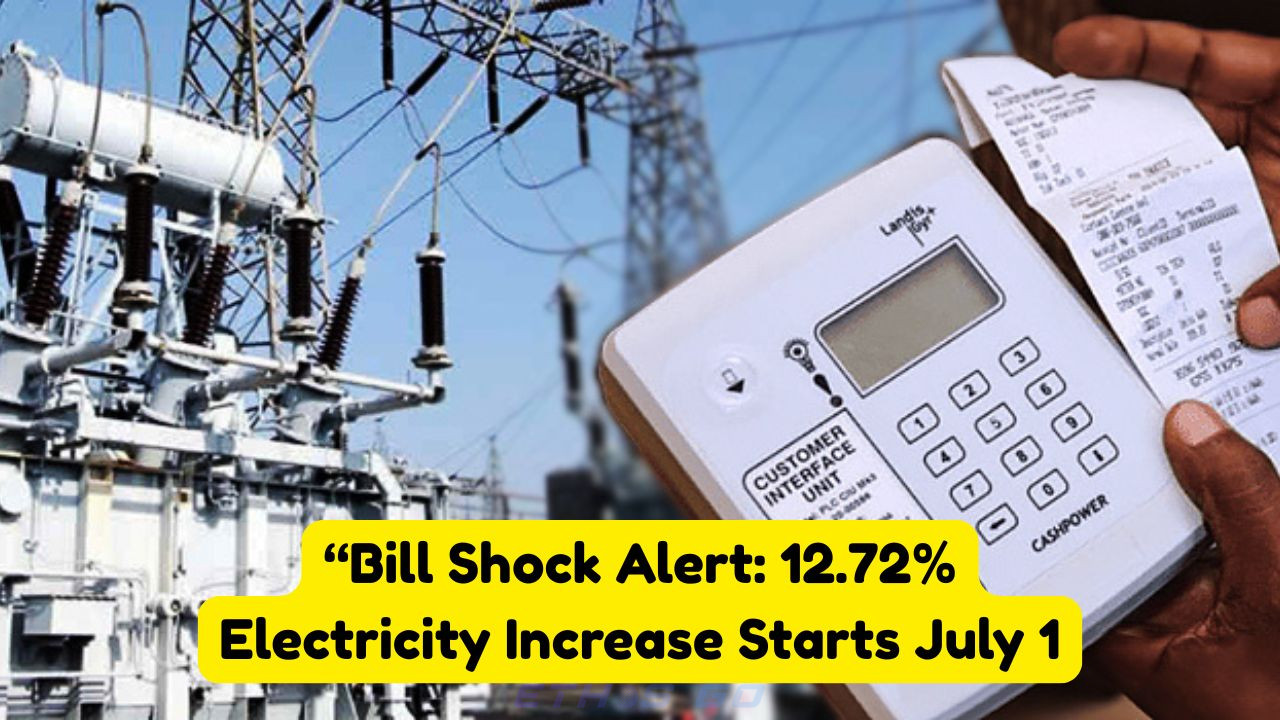
South Africa Electricity Hike 2025: In July 2025, South Africa will experience a significant shift as Eskom, the country’s primary electricity supplier, implements a 12.72% rate increase. This adjustment has sparked widespread concern among both residential and business consumers. As the nation grapples with ongoing energy challenges, the imminent price hike adds another layer of complexity to the economic landscape. With energy costs set to rise, consumers are left to ponder the implications on their monthly budgets and the broader economic impact. This article delves into the details of Eskom’s decision, the potential consequences for South Africans, and explores strategies for mitigating the financial burden.
Understanding Eskom’s 12.72% Rate Increase for July 2025
Eskom’s announcement of a 12.72% electricity rate increase in July 2025 has raised eyebrows across South Africa. This move is part of Eskom’s broader strategy to stabilize its finances and address the ongoing energy crisis. The increase is expected to impact households, businesses, and the industrial sector, leading to heightened concerns about affordability and the cost of living. Eskom has justified the hike by citing rising operational costs, infrastructure maintenance needs, and the need to ensure reliable electricity supply. While some stakeholders understand the necessity of the increase, others argue that it may exacerbate economic inequalities and place additional strain on struggling communities. The rate adjustment is a crucial step in Eskom’s recovery plan, but it also underscores the importance of exploring alternative energy solutions to reduce dependency on the national grid.
To better understand the implications of the increase, it is essential to consider the factors driving this decision:
- Operational Costs: Rising costs in fuel, maintenance, and labor.
- Infrastructure Maintenance: Essential upgrades to aging infrastructure.
- Debt Servicing: Managing Eskom’s substantial debt burden.
- Supply Assurance: Ensuring consistent and reliable electricity supply.
Impact of the Electricity Rate Increase on South Africans
The 12.72% electricity rate increase is poised to have far-reaching effects on South African consumers. For households, the hike means a direct increase in monthly utility bills, which could lead to difficult financial decisions for many families. Businesses, particularly those in energy-intensive industries, may face increased operational costs, potentially impacting their competitiveness and profitability. Small and medium enterprises (SMEs) are particularly vulnerable, as they may lack the financial buffers to absorb additional expenses. Additionally, the rate increase could contribute to inflationary pressures, affecting the cost of goods and services across the economy.
 Check Eligibility and Claim Refund Instructions – ABSA Bank to Refund Hidden Charges by July
- Household Budgets: Increased utility bills may lead to tighter household budgets.
- Business Costs: Higher operational costs for businesses, affecting profitability.
- Inflation: Potential rise in inflation due to increased production costs.
Strategies to Mitigate the Impact of Electricity Hike in South Africa
As South Africans brace for the electricity rate increase in July 2025, it’s crucial to explore strategies to mitigate its impact. One effective approach is to invest in energy efficiency measures to reduce consumption. Homeowners can consider using energy-efficient appliances, LED lighting, and smart home technology to manage energy usage more effectively. Businesses can explore solar energy solutions, which not only reduce dependency on the national grid but also offer long-term cost savings.
| Strategy | Description | Benefits | Challenges |
|---|---|---|---|
| Energy Efficiency | Implementing energy-saving appliances and practices | Lower energy bills | Initial investment cost |
| Solar Energy | Installing solar panels for renewable energy | Reduced dependency on grid | High upfront costs |
| Smart Home Tech | Using technology to monitor and control energy use | Optimized energy consumption | Technology adoption |
These strategies not only help manage costs but also contribute to a more sustainable energy future for South Africa.

Exploring Alternative Energy Solutions in South Africa
In light of Eskom’s electricity rate increase, exploring alternative energy solutions has never been more critical. South Africa, with its abundant sunshine, is in a prime position to harness solar energy. By investing in solar power, both individuals and businesses can reduce reliance on Eskom and enjoy long-term financial benefits. Wind energy is another viable alternative, particularly in coastal regions where wind conditions are favorable. Additionally, government incentives and policies aimed at promoting renewable energy adoption can further encourage the transition.
| Energy Source | Potential | Advantages | Limitations |
|---|---|---|---|
| Solar | High | Abundant sunlight | Initial cost |
| Wind | Moderate | Coastal wind availability | Location specific |
| Hydro | Low | Reliable energy | Environmental impact |
By diversifying energy sources, South Africa can work towards a more stable and sustainable energy landscape.
Government Policies and Public Response to Electricity Hike
The government’s role in addressing the electricity hike is pivotal. Policies that support renewable energy development, energy efficiency programs, and financial assistance for low-income households can alleviate some of the burdens associated with rate increases. Public response to the hike has been mixed, with some calling for greater transparency and accountability from Eskom, while others advocate for accelerated renewable energy adoption.
- Renewable Incentives: Government incentives to promote solar and wind energy.
- Efficiency Programs: Initiatives to encourage energy-saving practices.
- Financial Aid: Assistance for low-income families to manage increased costs.
- Public Advocacy: Calls for accountability and transparency from Eskom.
- Renewable Adoption: Increased focus on adopting clean energy sources.
FAQ: Concerns and Queries about Eskom’s Rate Increase
As the electricity hike looms, South Africans have several pressing questions. Here are some common queries with their answers:
- Why is Eskom increasing electricity rates?
The rate increase aims to cover operational costs, infrastructure upgrades, and debt servicing. - How will the rate increase affect my monthly bill?
Expect a 12.72% increase in your electricity bill starting July 2025. - What can I do to reduce my electricity costs?
Consider energy-efficient appliances, solar panels, and smart home technologies. - Are there government programs to help with the cost increase?
Yes, there are initiatives and incentives aimed at promoting energy efficiency and renewable energy adoption.