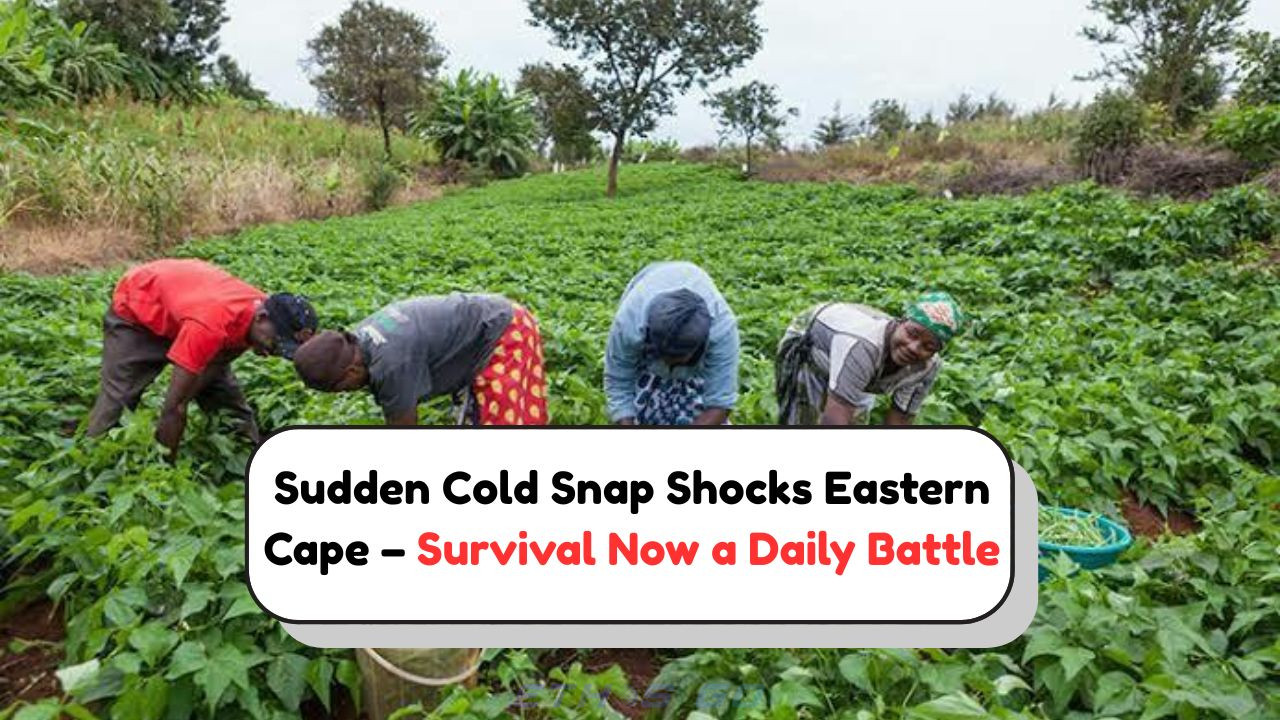
Eastern Cape Cold Wave Sparks Crisis: A severe cold wave has gripped the Eastern Cape, leading to a crisis affecting both local communities and farmers. This unseasonal chill, characterized by biting winds and sudden drops in temperature, has left many residents struggling to keep warm and maintain their livelihoods. As the frost continues to bite, farmers are particularly hard hit, facing challenges in protecting their crops and livestock from the harsh conditions. This unexpected cold spell has also put additional strain on local resources, as communities rally together to provide support and relief to those in need.
Impact on Eastern Cape Communities During Cold Wave
The cold wave sweeping through the Eastern Cape has had a profound impact on local communities. Many residents, particularly those in rural areas, are struggling to keep warm due to inadequate heating facilities and limited access to essential resources. This has led to an increase in demand for blankets, warm clothing, and firewood, as people seek to combat the freezing temperatures. Community centers have become hubs of support, offering temporary shelter and warmth to those most affected. The cold weather has also increased the risk of health issues, particularly respiratory illnesses, as people are forced to endure prolonged exposure to the chill.
- Increased demand for warm clothing and blankets
- Community centers offering shelters
- Heightened risk of respiratory illnesses
- Strain on local resources for heating and fuel
- Coordinated community efforts for support
Challenges Faced by Farmers in the Eastern Cape Cold Wave
| Challenge | Description | Impact | Mitigation |
|---|---|---|---|
| Protecting Crops | Frost damaging crops | Reduced yield | Use of frost nets |
| Livestock Health | Animals exposed to cold | Increased illnesses | Providing shelter |
| Water Supply | Frozen pipes | Water scarcity | Insulating pipes |
| Market Access | Road closures | Delayed produce delivery | Alternative routes |
Government Response to the Eastern Cape Cold Wave Crisis
In response to the crisis, the South African government has stepped up efforts to provide relief and support to affected areas. Emergency funds have been allocated to assist with the distribution of essential supplies, including blankets, heaters, and food parcels. Local authorities are working closely with community leaders to ensure that aid reaches those in need quickly and efficiently. The government is also collaborating with non-governmental organizations to implement longer-term solutions aimed at improving infrastructure and resilience against future cold spells.
- Allocation of emergency funds
- Distribution of essential supplies
- Collaboration with NGOs
- Focus on long-term infrastructure improvements
How Farmers are Adapting to the Cold Wave in Eastern Cape
| Adaptation Strategy | Implementation | Outcome |
|---|---|---|
| Frost Nets | Covering crops | Reduced frost damage |
| Warm Shelters | Building animal shelters | Improved livestock health |
| Insulated Water Systems | Protecting pipes | Ensured water supply |
| Alternative Market Routes | Using different roads | Maintained market access |
Community Initiatives in Response to Cold Wave Crisis
Communities across the Eastern Cape have mobilized to provide support and relief to those affected by the cold wave. Local organizations and volunteers are working tirelessly to distribute winter essentials, such as blankets and warm clothing, to vulnerable populations. Schools and churches have opened their doors, offering temporary shelters and serving hot meals to those in need. These grassroots efforts have been instrumental in alleviating some of the immediate hardships faced by residents, showcasing the resilience and solidarity of the Eastern Cape communities.
 Check Eligibility and Claim Refund Instructions – ABSA Bank to Refund Hidden Charges by July
- Distribution of winter essentials
- Temporary shelters in schools and churches
- Community-driven hot meal services
- Volunteer coordination for relief efforts
- Focus on vulnerable populations
Long-Term Strategies for Coping with Cold Waves in Eastern Cape
| Strategy | Objective | Implementation |
|---|---|---|
| Infrastructure Development | Improved resilience | Upgrading heating facilities |
| Community Education | Preparedness awareness | Workshops and training |
| Resource Allocation | Efficient aid distribution | Better planning and stockpiling |
| Support Networks | Strengthened community ties | Regular meetings and collaborations |
Eastern Cape Cold Wave: Lessons Learned and Future Preparedness
The recent cold wave has highlighted the need for better preparedness and infrastructure in the Eastern Cape. Moving forward, it is crucial to invest in more robust heating systems and improve access to emergency resources. There is also a need to enhance communication channels between local authorities and communities to ensure swift responses to crises. By learning from this experience, the Eastern Cape can develop comprehensive strategies to better withstand future cold spells, minimizing their impact on local communities and agriculture.
- Investment in heating infrastructure
- Improved access to emergency resources
- Enhanced communication channels
- Comprehensive crisis response strategies
FAQ Section
What caused the cold wave in the Eastern Cape?
The cold wave was caused by an unusual weather pattern bringing cold fronts and strong winds.
How are farmers affected by the cold wave?
Farmers face challenges such as crop damage, livestock health issues, and transportation difficulties.
What measures are in place to help affected communities?
The government and NGOs are providing emergency supplies, shelters, and support services.
How can communities prepare for future cold waves?
Investing in infrastructure, community education, and efficient resource allocation are key strategies.
What role do local organizations play in crisis response?
Local organizations coordinate relief efforts, provide shelters, and distribute essential supplies.