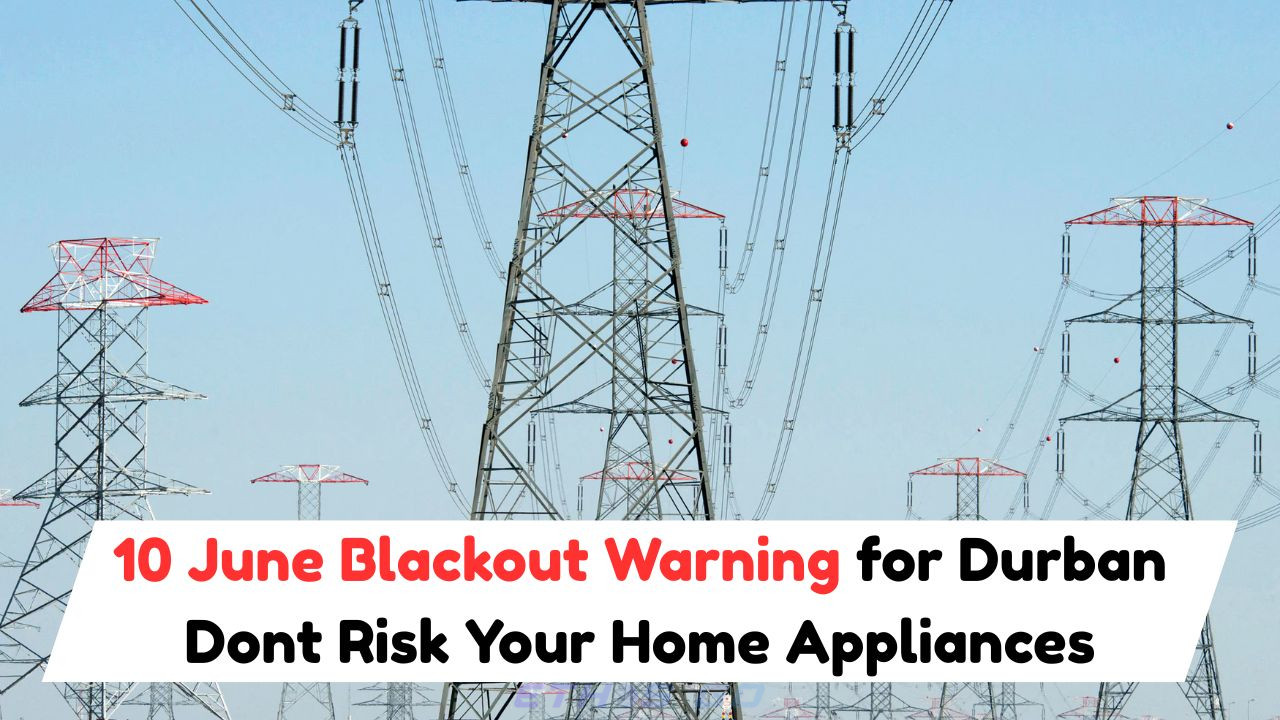
How to Protect Your Devices During Durban’s Load Shedding: With load shedding becoming a frequent occurrence in Durban, safeguarding your appliances from power surges and damage is more crucial than ever. The unpredictability of power cuts can lead to sudden power surges when electricity returns, which poses a risk to your valuable electronics and household devices. Knowing how to effectively protect your appliances not only saves you money but also extends the lifespan of your devices. In this article, we explore various methods to ensure your appliances remain safe and operational during these inconvenient power outages.
Understanding the Impact of Power Outages on Appliances
Power outages, especially those that occur unpredictably, can cause significant harm to household appliances. When electricity is restored, the sudden surge of power can lead to voltage spikes that have the potential to damage sensitive electronics like computers, televisions, and refrigerators. These devices often contain delicate circuits that are not designed to withstand such fluctuations. Additionally, frequent outages can wear down mechanical components, leading to premature failure. Understanding these impacts is the first step in taking preventive measures to protect your appliances.
- Voltage spikes can fry circuit boards in electronics.
- Refrigerators may face mechanical issues due to repeated on/off cycles.
- Computers can suffer data corruption or loss.
Essential Tools to Safeguard Your Home Electronics
| Tool | Description | Cost | Effectiveness | Availability |
|---|---|---|---|---|
| Surge Protectors | Prevent voltage spikes | R200 – R500 | High | Common |
| Uninterruptible Power Supply (UPS) | Provides backup power | R1,500 – R3,000 | Very High | Widely available |
| Voltage Regulators | Maintain steady voltage | R800 – R1,200 | Moderate | Available |
| Backup Generators | Supply power during outages | R5,000+ | Very High | Varies |
Practical Tips for Appliance Protection During Load Shedding
Implementing best practices for appliance protection is essential during load shedding. Unplugging appliances can be an effective yet straightforward measure to prevent damage from power surges. Additionally, investing in surge protectors and UPS devices can offer layers of protection. Regular maintenance of appliances also ensures they remain in good condition, reducing the likelihood of damage from power disruptions. Understanding the timing and duration of load shedding in your area can help you better prepare and protect your electronics.
- Unplug appliances during load shedding.
- Invest in high-quality surge protectors.
- Use a UPS for critical electronics.
- Schedule regular maintenance checks.
- Monitor load shedding schedules.
Choosing the Right Backup Power Solutions
Deciding on a backup power solution depends on your specific needs and budget. For instance, a UPS is ideal for short-term power interruptions, providing immediate backup power to computers and similar devices. On the other hand, if you require a more comprehensive solution, a backup generator can power multiple appliances for extended periods. When selecting a generator, consider its power output, fuel type, and noise level, as these factors will affect its usability and convenience.
 Check Eligibility and Claim Refund Instructions – ABSA Bank to Refund Hidden Charges by July
- Assess your power needs before purchasing.
- Consider fuel efficiency and type of generator.
- Check noise levels for residential use.
- Ensure proper installation and maintenance.
The Role of Load Shedding Schedules in Appliance Protection
Being aware of load shedding schedules is a proactive approach to appliance protection. These schedules allow you to anticipate power outages and take necessary precautions in advance. By knowing when the power will be cut, you can unplug devices, schedule high-power activities like laundry or dishwashing outside outage hours, and ensure all electronics are adequately protected. This foresight minimizes the risk of damage and helps maintain a smooth household operation.
FAQ Section:
How can I protect my appliances from power surges?
Invest in surge protectors and unplug appliances during outages.

Is a UPS necessary for all electronics?
While not necessary for all, it’s crucial for sensitive electronics like computers.
What should I consider when buying a generator?
Consider the power output, fuel type, and noise levels for residential use.
Can load shedding schedules change?
Yes, schedules can change based on demand and supply factors.
Are there affordable solutions for appliance protection?
Yes, surge protectors and regular maintenance are cost-effective solutions.