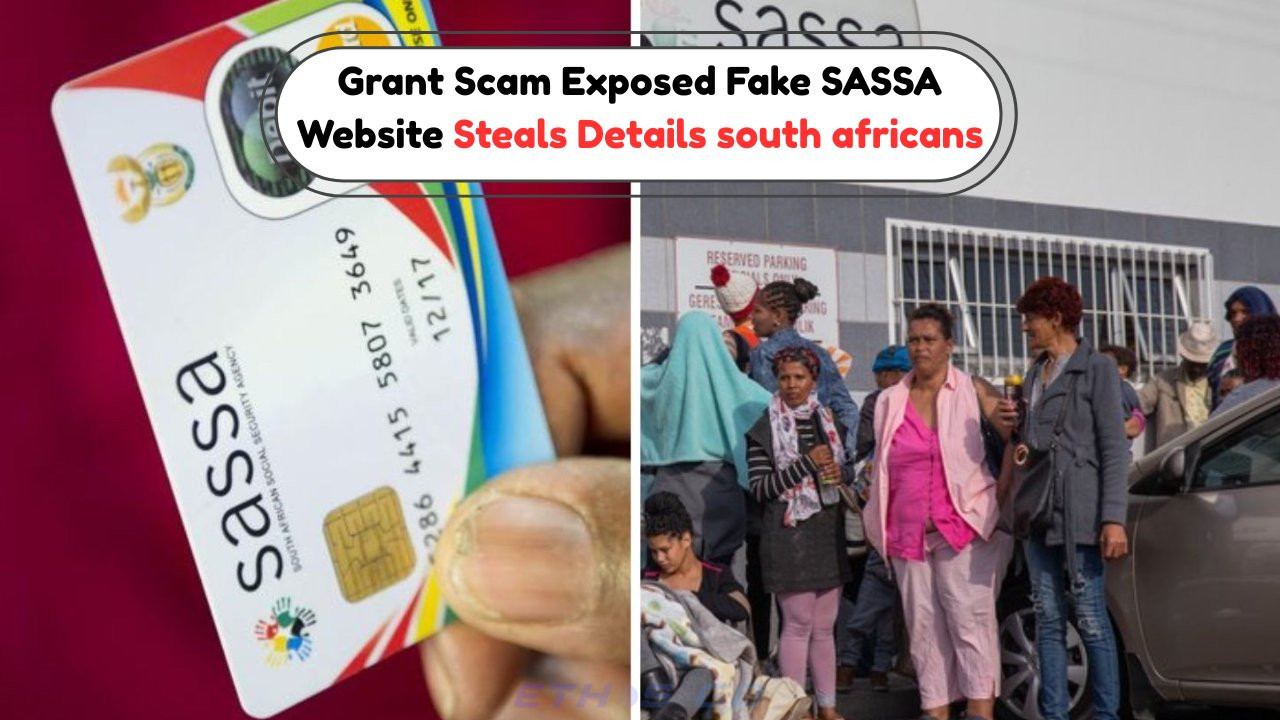
SASSA R350 Grant Scam Uncovered: In a recent alarming development, a fake website has duped thousands of unsuspecting beneficiaries of the SASSA R350 grant in South Africa. This scam has raised serious concerns about the safety and security of online systems that are meant to support the country’s most vulnerable citizens. With the grant providing essential financial assistance during these challenging times, the emergence of fraudulent schemes targeting beneficiaries has sparked outrage and calls for immediate action. Authorities are urging citizens to exercise caution and verify any information they receive regarding their grants through official channels. This incident underscores the importance of digital literacy and the need for robust cybersecurity measures to protect people from falling prey to such deceitful tactics.
Understanding the SASSA R350 Grant Scam
The SASSA R350 grant scam has revealed a critical vulnerability in the way beneficiaries access their funds. Scammers have created a counterfeit website that closely resembles the official SASSA platform, tricking individuals into providing sensitive personal information under the guise of grant verification. This information is then exploited to divert funds intended for legitimate beneficiaries. The fake website’s design and messaging have been carefully crafted to mimic the genuine site, making it difficult for unassuming users to identify the scam.
- Fake website design mirrors official SASSA site
- Scammers request personal information for ‘verification’
- Diverts funds from genuine beneficiaries
- Creates a false sense of security
Recent Cases of Grant Fraud
| Month | Reported Cases |
|---|---|
| January | 1500 |
| February | 1800 |
| March | 2100 |
| April | 2500 |
| May | 3000 |
| June | 3200 |
| July | 3500 |
| August | 4000 |
How to Identify Fake SASSA Websites
Detecting a fake SASSA website can be challenging, especially when scammers go to great lengths to make their sites appear authentic. However, there are specific indicators that can help beneficiaries distinguish between legitimate and fraudulent sites. Firstly, always check the URL of the website; official SASSA websites use secure URLs with ‘gov.za’ domains. Additionally, genuine websites will never ask for sensitive information through unsecured forms or communications. Be wary of poor grammar or spelling mistakes, as these are often red flags indicating a scam. Lastly, if an offer seems too good to be true, it probably is.
 Check Eligibility and Claim Refund Instructions – ABSA Bank to Refund Hidden Charges by July
Tips for Recognizing Scams
- Verify the website URL for authenticity
- Check for ‘gov.za’ domains
- Look for secure communication protocols
- Avoid sharing personal information unsolicited
- Beware of spelling and grammatical errors
Protecting Yourself from SASSA Scams
Protecting yourself from SASSA scams involves being vigilant and proactive. Beneficiaries should regularly check the official SASSA website for updates and announcements. It’s crucial to report any suspicious activity or communication to the authorities immediately. Moreover, enhancing your digital literacy by learning about common online scams can empower you to recognize and avoid them. Consider installing reliable security software on your devices to protect against phishing attacks and other cyber threats.
- Visit the official SASSA website for updates
- Report suspicious activity immediately
- Enhance digital literacy to recognize scams
- Install security software for added protection
The Role of Authorities in Combating Grant Scams
Authorities play a pivotal role in combating grant scams and safeguarding the interests of beneficiaries. The South African government is actively working to enhance its cybersecurity infrastructure to prevent future incidents. Initiatives include collaborating with financial institutions to monitor suspicious transactions and providing public education campaigns to raise awareness about online fraud. Furthermore, law enforcement agencies are intensifying efforts to track down and prosecute scammers to deter potential fraudsters.
Preventative Measures Implemented
| Measure | Description | Impact | Status |
|---|---|---|---|
| Cybersecurity enhancements | Upgrading security protocols | Reduced vulnerability | Ongoing |
| Public education campaigns | Raising awareness about scams | Increased vigilance | Ongoing |
| Collaboration with banks | Monitoring transactions | Early detection of fraud | Implemented |
| Prosecution of scammers | Legal actions against fraudsters | Deterrence | Active |
| Reporting platforms | Channels for reporting scams | Improved response time | Available |
FAQs on SASSA R350 Grant Scams
How can I verify if a SASSA website is legitimate? Always check for a secure ‘gov.za’ domain and ensure the site uses HTTPS protocols.
| Question | Answer | Details |
|---|---|---|
| How can I report a scam? | Contact local authorities or use official SASSA reporting channels. | Immediate reporting helps prevent further fraud. |
| What should I do if I suspect I’ve been scammed? | Notify your bank and report to SASSA immediately. | Acting quickly can minimize damage. |
| Are there penalties for scammers? | Yes, legal action is taken against fraudsters. | Prosecution acts as a deterrent. |
| How can I protect my personal information? | Use strong passwords and avoid sharing personal details online. | Strengthens your online security. |
| What is SASSA doing to prevent scams? | Enhancing cybersecurity and raising public awareness. | Ongoing efforts to protect beneficiaries. |
Stay Informed and Vigilant
In the wake of these scams, staying informed and vigilant is more important than ever. Regularly update your knowledge about the latest scams and tactics used by fraudsters. Join community groups or forums where information about scams is shared, and learn from others’ experiences. By being proactive and informed, you can help protect yourself and others from falling victim to these deceitful schemes.
- Update your knowledge on scams
- Join community forums for information
- Learn from shared experiences
- Encourage others to stay vigilant
Empowering the Community Against Scams
Empowering the community against scams involves collective action and shared responsibility. Encourage open discussions about scams in your community to spread awareness and educate others. Organize workshops or seminars that focus on digital literacy and online safety. By fostering a culture of awareness and education, communities can work together to prevent scams and protect their most vulnerable members.
- Organize community workshops
- Discuss scams openly within groups
- Focus on digital literacy education
- Promote a culture of awareness
Frequently Asked Questions
What is the SASSA R350 grant scam?
It is a fraudulent scheme involving a fake website that tricks beneficiaries into providing personal information under the guise of grant verification.
How can I protect myself from these scams?
Verify website authenticity, avoid sharing personal information, and report any suspicious activity immediately.
What actions are authorities taking?
They are enhancing cybersecurity measures, conducting public education campaigns, and prosecuting scammers.
Is there a way to report scams?
Yes, you can report scams through official SASSA channels or local authorities.
Why are these scams happening?
Scammers exploit vulnerabilities in online systems and target beneficiaries due to the financial dependence on grants.