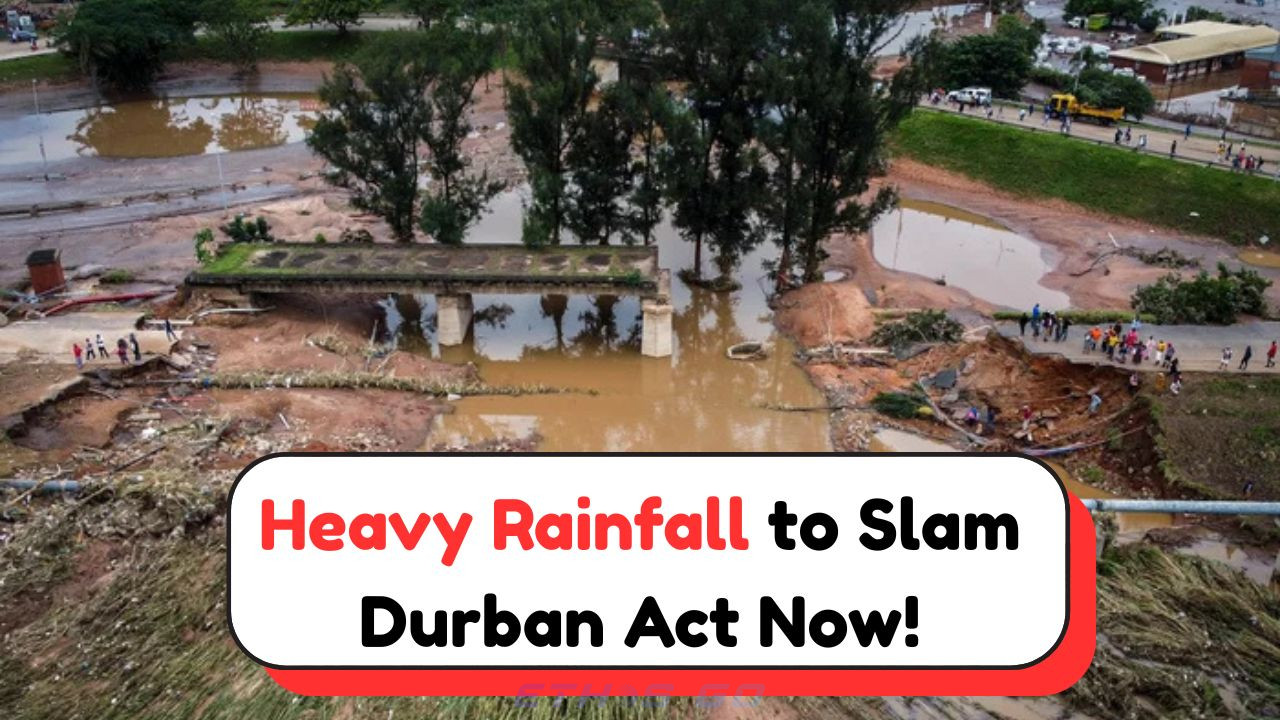
Durban Weather Alert: As Durban braces for tonight’s severe weather conditions, local authorities have issued an urgent weather alert. The coastal city is expected to experience potentially hazardous weather, characterized by strong winds, heavy rainfall, and possible thunderstorms. Residents are advised to stay informed and take necessary precautions to ensure their safety. The Meteorological Department has predicted that the storm system moving in from the Indian Ocean will intensify during the night, creating conditions that could lead to localized flooding and disruptions in daily activities.
Understanding the Factors Behind Durban’s Severe Weather Alert
Durban’s unique geographical location makes it particularly susceptible to sudden and severe weather changes. The city’s proximity to the Indian Ocean means it frequently experiences tropical storms, especially during the transitional seasons. Tonight’s weather alert is primarily due to a confluence of high-pressure systems over the ocean and low-pressure systems moving inland. This interaction is expected to create a volatile atmosphere, leading to the forecasted severe conditions. The local government has emphasized the importance of understanding these weather patterns to better prepare and mitigate potential impacts on the community.
- Strong winds reaching speeds of up to 70 km/h are anticipated.
- Heavy rainfall with accumulations of 50 to 100 mm expected.
- Possibility of thunderstorms during the late evening.
- Risk of localized flooding in low-lying areas.
- Disruption to power supply due to fallen power lines.
- Potential delays in public transport and flights.
- Advisory for fishermen and small boat operators to avoid the ocean.
- Closure of certain roads prone to flooding.
Precautionary Measures for Durban Residents During the Weather Alert
With the weather conditions predicted to pose significant risks, residents are urged to take precautionary measures to protect themselves and their property. The following steps are recommended by the local emergency services to ensure safety during the alert:
| Precaution | Details | Why It Matters | Action Required | Outcome | Notes |
|---|---|---|---|---|---|
| Stay Indoors | Avoid unnecessary travel | Reduce exposure to hazards | Plan before the storm | Minimize accidents | Listen to local news |
| Secure Property | Check roofs and loose items | Prevent damage | Use ropes or weights | Reduce repair costs | Keep insurance updated |
| Emergency Kit | Prepare essentials | Ensure readiness | Include food, water, lights | Maintain comfort | Regularly check supplies |
| Communication | Stay connected | Receive updates | Charge devices | Stay informed | Backup power sources |
| Flood Safety | Avoid flooded areas | Prevent accidents | Follow official advisories | Ensure safety | Know evacuation routes |
| Vehicle Safety | Park in secure locations | Prevent water damage | Avoid low-lying areas | Protect property | Check insurance cover |
| Children and Pets | Keep them safe | Ensure well-being | Stay indoors | Reduce risk | Monitor closely |
| Power Outages | Prepare for disruptions | Ensure continuity | Have backup supplies | Maintain functionality | Know generator safety |
Potential Impact of the Weather Alert on Durban’s Infrastructure
The severe weather conditions forecasted for Durban tonight are expected to have a significant impact on the city’s infrastructure. Local authorities have been working proactively to mitigate potential damages, but residents should be prepared for possible disruptions. High winds and heavy rainfall can cause damage to buildings, roads, and other critical infrastructure.
 Check Eligibility and Claim Refund Instructions – ABSA Bank to Refund Hidden Charges by July
- Power outages could occur due to fallen trees and power lines.
- Road closures are likely in areas prone to flooding.
- Public transport services may be delayed or canceled.
- Flight schedules at King Shaka International Airport may be affected.
- Water supply disruptions in certain areas due to infrastructure damage.
Local Government’s Response to Durban’s Severe Weather Conditions
The local government in Durban has been proactive in preparing for tonight’s severe weather conditions. Emergency services are on high alert, ready to respond to any incidents that may arise. The city’s disaster management team has been working closely with various departments to ensure a coordinated response to potential emergencies. Public advisories have been issued, urging residents to take the weather alert seriously and follow safety guidelines.
| Department | Key Actions |
|---|---|
| Disaster Management | Coordination of emergency response |
| Emergency Services | Deployment of rescue teams |
| Public Works | Infrastructure inspections |
| Transport Authority | Traffic management plans |
| Health Department | Medical services readiness |
| Local Media | Continuous updates |
| Community Leaders | Public awareness campaigns |
| Environmental Agencies | Monitoring of weather patterns |
Community Support and Resources During Durban’s Weather Alert
Community support and resources play a crucial role during severe weather events. Local organizations and volunteers are often at the forefront of providing assistance to those affected by adverse weather conditions in Durban. These groups work tirelessly to ensure that vulnerable members of the community receive the help they need during times of crisis.
- Community centers offering temporary shelter.
- Local NGOs distributing food and essential supplies.
- Volunteers assisting with cleanup efforts post-storm.
How to Stay Informed About Durban’s Weather Conditions
Staying informed about the latest weather conditions in Durban is essential for ensuring safety during the alert. Residents are encouraged to use multiple sources to receive up-to-date information and advisories. Here are some recommended ways to stay informed:

- Listen to local radio stations for weather updates.
- Follow official social media accounts of local authorities.
- Subscribe to weather alert services for real-time notifications.
FAQ: Durban Weather Alert and Safety Measures
What should I do if there’s a power outage during the storm?
Ensure you have a flashlight, charge your devices in advance, and listen to battery-powered radios for updates.
How can I protect my home from flood damage?
Seal any leaks, elevate valuables, and ensure drainage systems are clear.
Is it safe to drive during the storm?
Avoid driving if possible. If necessary, drive slowly and avoid flooded roads.
What items should be in an emergency kit?
Include water, non-perishable food, flashlight, batteries, and first-aid supplies.
Where can I find temporary shelter if needed?
Contact local community centers or listen to local radio for shelter locations.