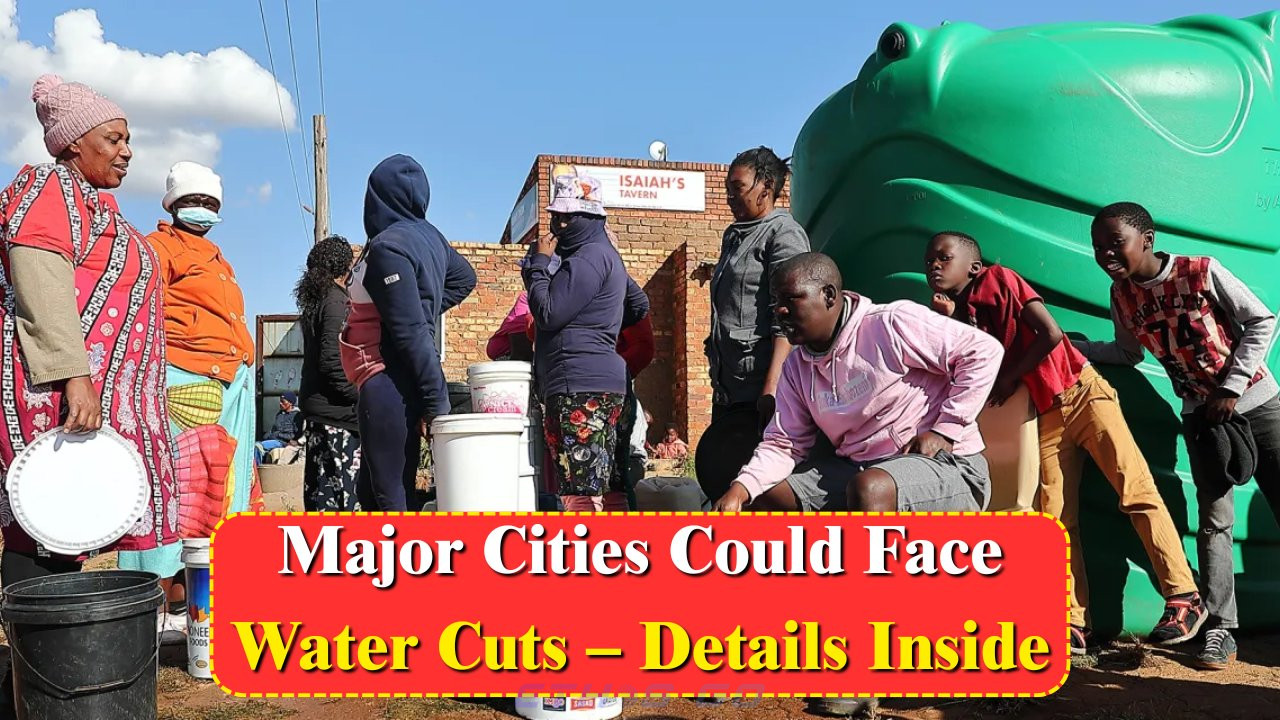
South African Water Crisis 2025: As South Africa moves towards 2025, the specter of a national water crisis looms large. Recent reports suggest that major cities across the country may face severe water cuts if the current trends persist. The combination of erratic rainfall patterns and increasing demand has placed enormous pressure on South Africa’s water resources. This situation not only threatens urban centers but also impacts agriculture and industry, which are crucial to the economy. The government and local municipalities are racing against time to implement measures that could avert a looming disaster. However, without significant changes, the prospect of water restrictions remains a significant concern for millions of South Africans.
Understanding the Potential Water Cuts in South African Cities
South Africa’s urban areas are at the forefront of the impending water crisis. Cities like Cape Town, Johannesburg, and Durban are particularly vulnerable due to their high population densities and reliance on diminishing water sources. Factors contributing to potential water cuts include:
- Inadequate rainfall over the past few years, affecting dam levels.
- Increased urbanization leading to higher water demand.
- Lack of investment in water infrastructure and maintenance.
- Climate change exacerbating drought conditions.
- Water wastage and inefficient usage practices.
- Disparities in water distribution and access.
- Pollution of existing water sources.
Government Initiatives to Tackle the Water Crisis by 2025
In response to the looming crisis, the South African government has embarked on several initiatives aimed at curbing water shortages. These measures include investing in new water infrastructure projects, promoting water conservation practices, and enhancing water recycling and reuse programs. The government also aims to strengthen public awareness campaigns to encourage responsible water usage among citizens. These efforts are complemented by partnerships with private sector stakeholders to explore innovative water-saving technologies and solutions. However, the implementation of these initiatives remains a challenge due to budget constraints and bureaucratic hurdles.
| Initiative | Description | Impact | Status |
|---|---|---|---|
| Water Recycling Plants | Constructing plants to treat and reuse wastewater. | Reduce freshwater demand. | In Progress |
| Desalination Projects | Converting seawater into potable water. | Increase water supply. | Planning Stage |
| Public Awareness Campaigns | Educating citizens on water conservation. | Promote efficient water use. | Ongoing |
| Infrastructure Upgrades | Repairing and upgrading existing water systems. | Reduce water loss. | Delayed |
| Policy Reforms | Implementing new water allocation policies. | Ensure fair distribution. | Under Review |
The Impact of Water Cuts on South African Economy
The potential water cuts in South African cities could have far-reaching economic repercussions. Water is a critical resource for several key industries, including agriculture, mining, and manufacturing. Reduced water availability can lead to:
 Check Eligibility and Claim Refund Instructions – ABSA Bank to Refund Hidden Charges by July
- Increased production costs due to reliance on alternative water sources.
- Decreased agricultural output, affecting food security and exports.
- Disruptions in industrial operations, leading to job losses.
- Higher prices for consumers as businesses pass on costs.
- Challenges in attracting foreign investment due to resource scarcity concerns.
Strategies for Businesses to Mitigate Water Risks in 2025
Businesses in South Africa need to adopt proactive strategies to mitigate the risks posed by potential water shortages. Key strategies include investing in water-efficient technologies, diversifying water sources, and implementing robust water management practices. Businesses can benefit from conducting water audits to identify areas of high consumption and wastage. Collaboration with local authorities and communities can also enhance water conservation efforts. Moreover, businesses should explore opportunities for innovation in water recycling and reuse, which can provide long-term sustainability benefits.
| Strategy | Description | Benefit |
|---|---|---|
| Water Audits | Analyzing water usage patterns. | Identify wastage and optimize use. |
| Technological Investments | Adopting efficient water systems. | Reduce consumption. |
| Source Diversification | Utilizing alternative sources like rainwater. | Ensure supply reliability. |
| Community Collaboration | Working with local stakeholders. | Shared resources and knowledge. |
Current State of South Africa’s Water Infrastructure
South Africa’s water infrastructure has been under immense strain due to years of underinvestment and neglect. Many water systems are outdated and plagued by leaks and inefficiencies. The government estimates that billions of rands are lost annually due to water wastage. Efforts to modernize infrastructure are ongoing, but progress is slow due to financial constraints and bureaucratic challenges. As a result, the risk of water cuts remains a pressing concern.
- Old and inefficient water distribution networks.
- High levels of non-revenue water due to leaks.
- Limited capacity for water storage and treatment.
- Delays in infrastructure upgrade projects.
- Inadequate maintenance of existing facilities.
Role of Renewable Energy in Supporting Water Security
Renewable energy sources, such as solar and wind power, could play a crucial role in supporting South Africa’s water security. By reducing reliance on fossil fuels, renewable energy can decrease the energy costs associated with water pumping and treatment processes. This can make desalination and water recycling more economically viable. Furthermore, renewable energy projects can generate additional revenue streams, which can be reinvested into water infrastructure development, ultimately enhancing the country’s resilience to water shortages.
- Solar-powered desalination plants.
- Wind energy for pumping water.
- Hybrid systems for efficient water treatment.
- Community-based renewable projects.
Innovative Water Conservation Techniques in South Africa
South Africa is adopting several innovative techniques to conserve water. These include the use of smart meters to monitor household water usage, rainwater harvesting systems, and greywater recycling. These methods not only help in reducing overall water consumption but also promote sustainable practices among individuals and communities. By integrating technology and traditional practices, South Africa aims to build a more resilient water management system.

FAQ Section
What are the main causes of the water crisis in South Africa?
Climate change, population growth, and inadequate infrastructure are major contributors.
How is the government addressing the water crisis?
Through infrastructure upgrades, policy reforms, and public awareness campaigns.
Can renewable energy help mitigate the water crisis?
Yes, by reducing energy costs associated with water treatment and supporting sustainable practices.
What can individuals do to help conserve water?
Implementing water-saving techniques like rainwater harvesting and reducing wastage.
How does the water crisis impact the economy?
It increases costs for businesses and affects food security and industrial operations.