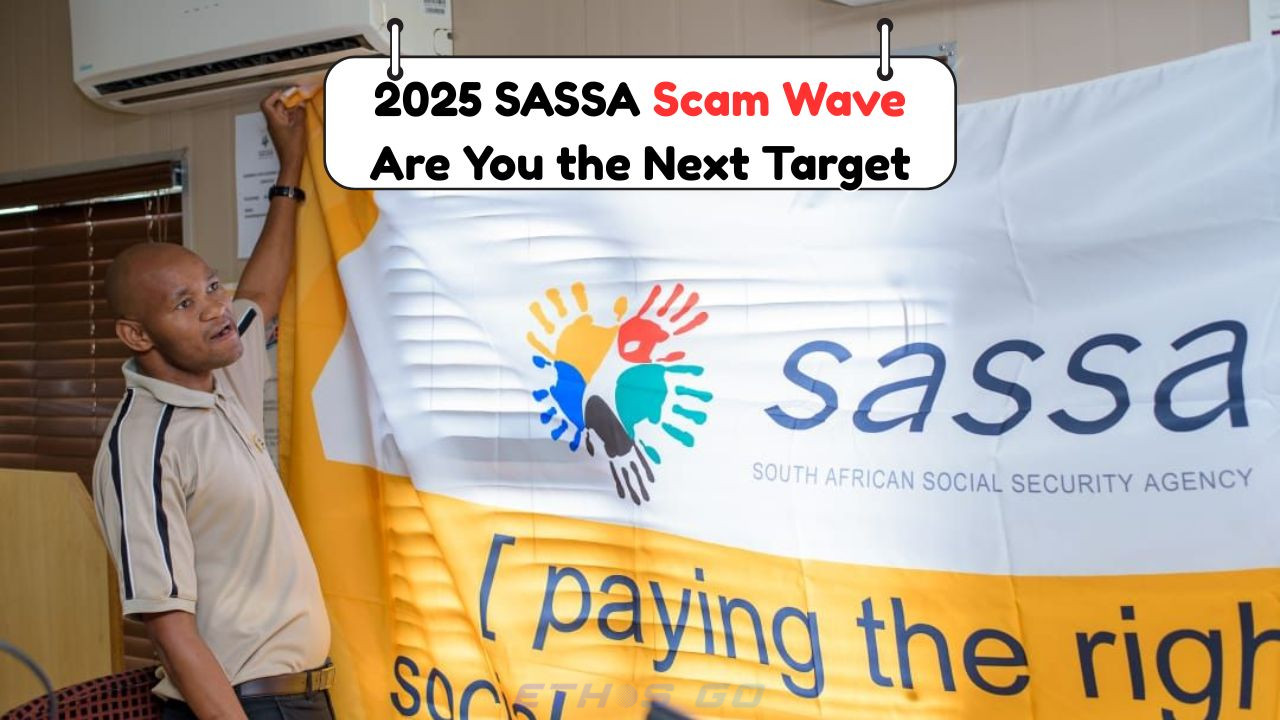
2025 SASSA Scam Warning: As we approach 2025, South Africans must remain vigilant against the rise of fraudulent activities targeting SASSA beneficiaries. Cybercriminals are increasingly using fake grant websites and emails to deceive citizens and compromise their personal information. These scams often promise quick access to grants, luring unsuspecting individuals into providing sensitive data. It is crucial to stay informed and adopt effective safety measures to protect yourself from these deceptive tactics.
How to Identify Fake SASSA Grant Websites and Emails
With the increasing sophistication of online scams, distinguishing between genuine and fake SASSA platforms can be challenging. Fraudsters create websites that closely mimic the official SASSA site, complete with authentic-looking logos and contact information. However, there are tell-tale signs to watch for:
- Check the URL: Official websites will have a .gov.za domain.
- Watch for spelling errors: Scammers often make grammatical mistakes.
- Verify contact details: Genuine SASSA websites provide verifiable contact information.
- Avoid sites asking for upfront fees: SASSA does not charge for grant applications.
- Be cautious of unsolicited emails: Verify the sender’s address before responding.
- Look for secure connections: Ensure the website uses HTTPS.
- Report suspicious activity: Notify SASSA or local authorities immediately.
- Stay updated: Regularly check SASSA’s official announcements.
Common Tactics Used by Scammers Targeting SASSA Grants
Scammers employ various tactics to exploit SASSA grant applicants. Understanding these methods can help you stay one step ahead:
- Phishing Emails: These appear to be from SASSA and request personal information.
- Fake Websites:
- Fake SMS Alerts:Text messages claiming immediate action is required for your grant application.
- Social Media Fraud: Scammers create fake profiles to offer grant assistance.
Steps to Take if You Suspect a SASSA Scam
If you believe you’ve encountered a SASSA scam, it is essential to act quickly to protect your information. Here are the steps you should take:
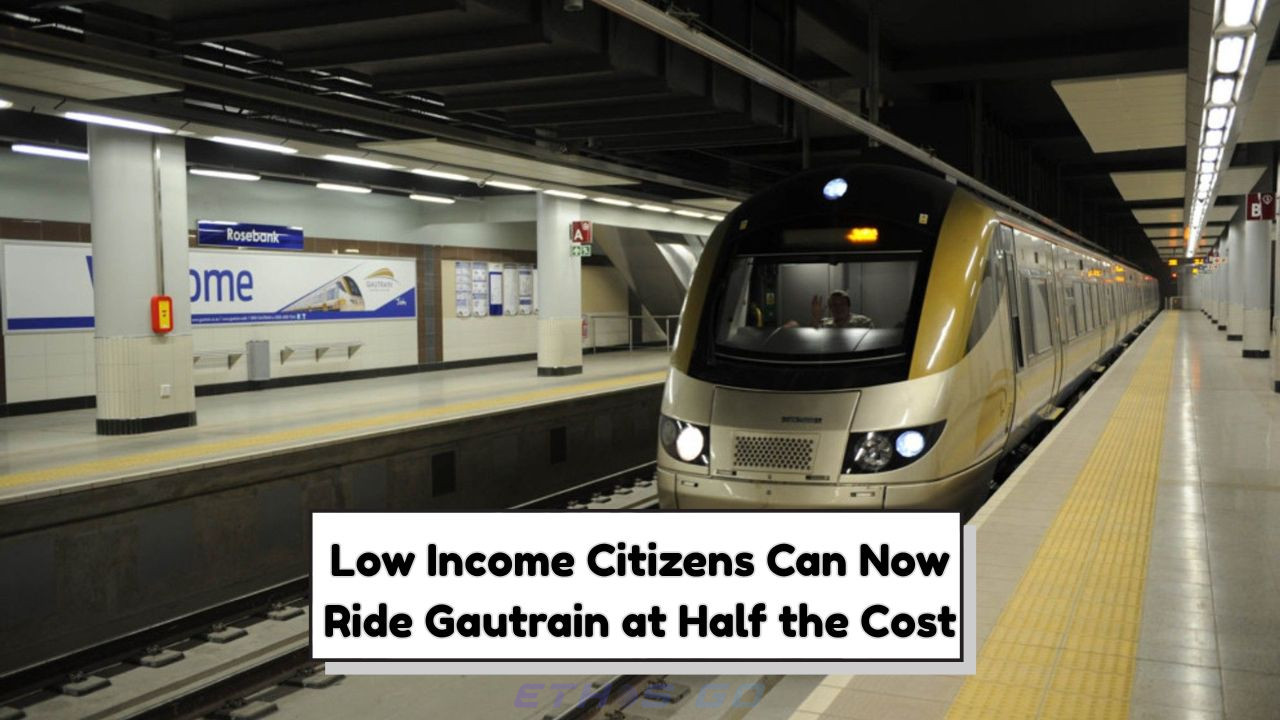
 Low-Income South Africans and SASSA Users Get 50% Off Gautrain – Full 2025 Eligibility Details
| Step | Action | Details |
|---|---|---|
| 1 | Do Not Engage | Cease all communication with the suspect source. |
| 2 | Verify | Contact SASSA directly to confirm any communications. |
| 3 | Report | Notify SASSA and the South African Police Service (SAPS). |
| 4 | Monitor | Check your bank and credit card statements for unauthorized transactions. |
| 5 | Change Passwords | Update passwords for any accounts that may have been compromised. |
| 6 | Educate Others | Inform friends and family about the scam to prevent further victims. |
| 7 | Seek Help | Contact local consumer protection services for advice. |
| 8 | Stay Informed | Keep up-to-date with the latest scam alerts from SASSA. |
Tools and Resources for Protecting Against SASSA Frauds
Protecting yourself from SASSA frauds requires knowledge and resources. Fortunately, several tools can aid you:
- Antivirus Software: Ensure your computer has updated antivirus protection.
- Secure Browsers: Use browsers with built-in phishing protection features.
- Password Managers: Safeguard your credentials with a reliable password manager.
- Regular Updates: Keep all software and apps updated to patch vulnerabilities.
- Two-Factor Authentication: Add an extra layer of security to your accounts.
Online Safety Tips for SASSA Grant Applicants
Staying safe online is essential for anyone applying for SASSA grants. These tips can help:
- Be Skeptical: Question any unsolicited communication regarding grants.
- Educate Yourself: Stay informed about the latest scam tactics.
- Verify Information: Reach out to SASSA directly for verification.
- Use Strong Passwords: Create complex passwords for online accounts.
- Enable Alerts: Set up banking alerts for unusual transactions.
Understanding the Impact of SASSA Scams on South Africans
Scams targeting SASSA beneficiaries have significant implications. They not only affect individuals financially but also mentally, as victims often experience stress and anxiety. The impact extends beyond personal losses, affecting the broader economy by eroding trust in public institutions. Here are some effects:
- Financial Losses: Victims may lose money or access to grants.
- Emotional Stress: Anxiety and fear from being targeted or scammed.
- Trust Issues: Reduced confidence in online transactions.
- Community Impact: Scams can disrupt community support structures.
- Economic Consequences: Potential strain on social services.
Efforts by Authorities to Combat SASSA Grant Scams
The South African government and SASSA are actively working to combat these scams through various initiatives:
- Public Awareness Campaigns: Educating citizens about scam prevention.
- Technology Upgrades: Implementing advanced security measures on official websites.
- Collaboration with Banks: Partnering with financial institutions to detect fraud.
- Law Enforcement Action: Increasing efforts to apprehend scammers.
- Community Engagement: Encouraging community reporting of suspicious activities.
FAQ Section
- What should I do if I receive a suspicious email claiming to be from SASSA? Do not click any links or provide personal information. Report the email to SASSA and delete it.
- How can I verify if a website is legitimate? Check the URL for a .gov.za domain and look for official contact details.
- Are there any fees for applying for SASSA grants? No, SASSA does not charge any fees for grant applications.
- What are common signs of a scam website? Poor grammar, unsecured site (no HTTPS), and requests for personal information.
- How can I report a scam? Contact SASSA directly or report to the South African Police Service.
Departmental Contact Details
SASSA Head Office
Email: [email protected]
Helpline: 0800 60 10 11
Website: www.sassa.gov.za
South African Police Service
Email: [email protected]
Crime Stop: 08600 10111
Website: www.saps.gov.za
Consumer Protection Agency
Email: [email protected]
Helpline: 012 428 7000
Website: www.cpa.co.za