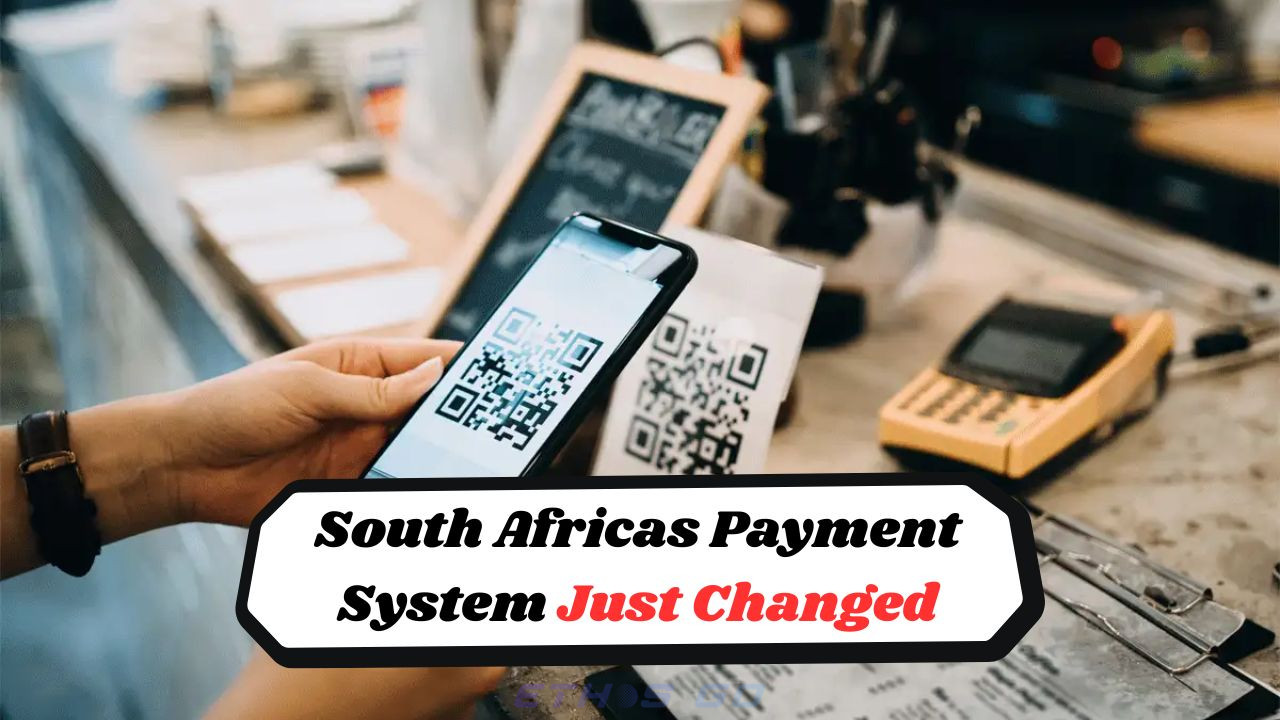
Unlock the Secrets of Digital Payments in South Africa: The world of digital payments in South Africa is transforming the way individuals and businesses handle transactions. With the rapid rise of mobile technology and internet accessibility, understanding digital payments has become essential for everyone seeking to thrive in the modern economy. From the convenience of tap-and-go cards to the security of mobile wallets, digital payment methods are reshaping financial interactions. As South Africans embrace these advancements, navigating the plethora of options can be daunting. This comprehensive guide delves into the various facets of digital payments, offering insights into their benefits, challenges, and future trends, empowering you to make informed decisions in your financial journey.
Exploring the Landscape of Digital Payments in South Africa
The digital payment landscape in South Africa is a dynamic and rapidly evolving field. As technology continues to advance, more South Africans are adopting digital payment solutions for their everyday transactions. This shift is largely driven by the convenience, speed, and security that digital payments offer compared to traditional cash transactions. Mobile payment apps, online banking, and digital wallets are becoming integral to the financial ecosystem, providing consumers with more flexible payment options. Additionally, businesses are recognizing the efficiency gains from digital payments, enabling them to streamline operations and enhance customer experiences.
- Mobile payment apps such as SnapScan and Zapper are gaining popularity.
- Online banking services offer seamless transactions without the need for physical visits to bank branches.
- Digital wallets like PayPal and Apple Pay provide secure and convenient alternatives to cash and card payments.
- QR code payments are becoming increasingly common, especially in urban areas.
- Contactless card payments are preferred for their speed and ease of use.
- Cryptocurrencies are making headway as a form of digital payment.
- Peer-to-peer payment platforms like Venmo are facilitating quick and easy money transfers.
Benefits of Digital Payments for Consumers and Businesses
Digital payments offer numerous advantages for both consumers and businesses in South Africa. For consumers, digital payments provide unparalleled convenience, allowing them to make transactions from virtually anywhere at any time. This reduces the need to carry cash and enhances the security of transactions. Businesses, on the other hand, benefit from reduced transaction costs, increased sales through improved customer experiences, and enhanced data analytics capabilities. By adopting digital payments, businesses can also expand their reach, tapping into new markets and customer segments.
- Increased transaction speed and efficiency for consumers and businesses.
- Enhanced security features reduce the risk of fraud and theft.
- Access to global markets and customers through online payment platforms.
- Improved financial record-keeping and analytics for businesses.
Challenges Facing Digital Payment Adoption
Despite the numerous benefits, digital payments in South Africa face several challenges. One of the primary obstacles is the digital divide, where limited access to the internet and digital infrastructure in rural areas hinders widespread adoption. Additionally, concerns about cybersecurity and data privacy deter some consumers from fully embracing digital payment solutions. Businesses also face challenges in integrating digital payment systems with existing infrastructure and ensuring compatibility with various payment platforms.
 Check Eligibility and Claim Refund Instructions – ABSA Bank to Refund Hidden Charges by July
- Limited internet access in rural areas restricts digital payment usage.
- Cybersecurity threats and data breaches pose risks to digital payment systems.
- Integration issues with existing business infrastructure can be costly.
- Lack of consumer education on digital payment security and benefits.
| Type of Payment | Convenience | Security | Cost | Access |
|---|---|---|---|---|
| Mobile Apps | High | Moderate | Low | Urban |
| Online Banking | High | High | Low | Nationwide |
| Digital Wallets | High | High | Moderate | Urban/Suburban |
| QR Code Payments | Moderate | High | Low | Urban |
| Contactless Cards | High | High | Low | Nationwide |
| Cryptocurrencies | Low | High | High | Limited |
| Peer-to-Peer | High | Moderate | Low | Urban/Suburban |
| Cash | Low | Low | None | Nationwide |
What the Future Holds for Digital Payments in South Africa
The future of digital payments in South Africa looks promising, with continuous advancements in technology paving the way for innovative solutions. The adoption of blockchain technology and cryptocurrencies is expected to gain momentum, offering secure and decentralized payment options. Additionally, the rise of fintech startups will drive competition and innovation, leading to the development of more user-friendly and cost-effective digital payment solutions. As the government and private sector invest in expanding digital infrastructure, the accessibility and reliability of digital payments will improve, bridging the gap between urban and rural areas.
- Increased adoption of blockchain technology for secure transactions.
- Growth of fintech startups fostering innovation in digital payments.
- Government initiatives to expand digital infrastructure and access.
- Integration of artificial intelligence for personalized payment solutions.
Integrating Digital Payments in Everyday Life
Integrating digital payments into everyday life requires a shift in mindset for many South Africans. It’s crucial to educate consumers on the benefits and security of digital transactions, ensuring they feel confident in using these technologies. Businesses should focus on providing seamless and user-friendly digital payment experiences to encourage adoption among their customer base. Collaboration between financial institutions, fintech companies, and the government can facilitate this transition, creating an inclusive and digitally-savvy society.
- Enhancing consumer education on digital payment methods.
- Improving user experiences with intuitive digital payment interfaces.
- Collaborating with stakeholders to promote digital literacy.
- Leveraging social media platforms to increase awareness and adoption.
The Role of Financial Institutions in Digital Payment Expansion
Financial institutions play a pivotal role in the expansion of digital payments across South Africa. By developing secure and efficient digital payment platforms, banks can build trust among consumers and businesses. Furthermore, banks can partner with fintech companies to innovate and offer cutting-edge solutions that cater to diverse customer needs. Providing incentives for digital payment adoption, such as reduced fees or rewards programs, can encourage more users to transition from traditional payment methods to digital alternatives.
- Developing secure and reliable digital payment platforms.
- Collaborating with fintechs for innovative payment solutions.
- Offering incentives for digital payment adoption.
- Building consumer trust through robust security measures.
| Institution | Digital Payment Platform | Security Features | Incentives Offered |
|---|---|---|---|
| Bank A | Mobile App | Biometric Authentication | Cashback Rewards |
| Bank B | Online Banking | Two-Factor Authentication | Reduced Transaction Fees |
| Bank C | Digital Wallet | Encryption Technology | Loyalty Points |
| Bank D | QR Code Payments | Secure Tokens | Discounts on Transactions |
| Bank E | Peer-to-Peer Transfers | Fraud Detection Systems | Free Transfers |
| Bank F | Cryptocurrency Exchange | Blockchain Security | Low Conversion Fees |
Creating an Inclusive Digital Payment Ecosystem
Creating an inclusive digital payment ecosystem involves addressing the unique challenges faced by different segments of the population. Ensuring access to affordable internet services and digital devices is crucial for widespread adoption. Additionally, tailored solutions for marginalized communities can help bridge the digital divide. By fostering collaboration among stakeholders, including government agencies, private sector players, and non-profit organizations, South Africa can build a digital payment ecosystem that is accessible to all.

- Providing affordable internet services to underserved areas.
- Developing digital payment solutions for marginalized communities.
- Fostering collaboration among stakeholders to drive inclusivity.
- Implementing government policies to support digital adoption.
FAQs on Digital Payments in South Africa
What are the most popular digital payment methods in South Africa?
Mobile payment apps, online banking, and digital wallets are among the most popular digital payment methods in South Africa.
How secure are digital payments?
Digital payments are generally secure, with advanced encryption and authentication measures in place to protect user data and prevent fraud.
What challenges do rural areas face in adopting digital payments?
Rural areas face challenges such as limited internet access and digital infrastructure, which hinder the widespread adoption of digital payments.
How can businesses benefit from adopting digital payments?
Businesses can benefit from reduced transaction costs, improved customer experiences, and access to new markets by adopting digital payment solutions.
What is the future of digital payments in South Africa?
The future of digital payments in South Africa is promising, with advancements in technology and increased adoption of blockchain and fintech solutions.